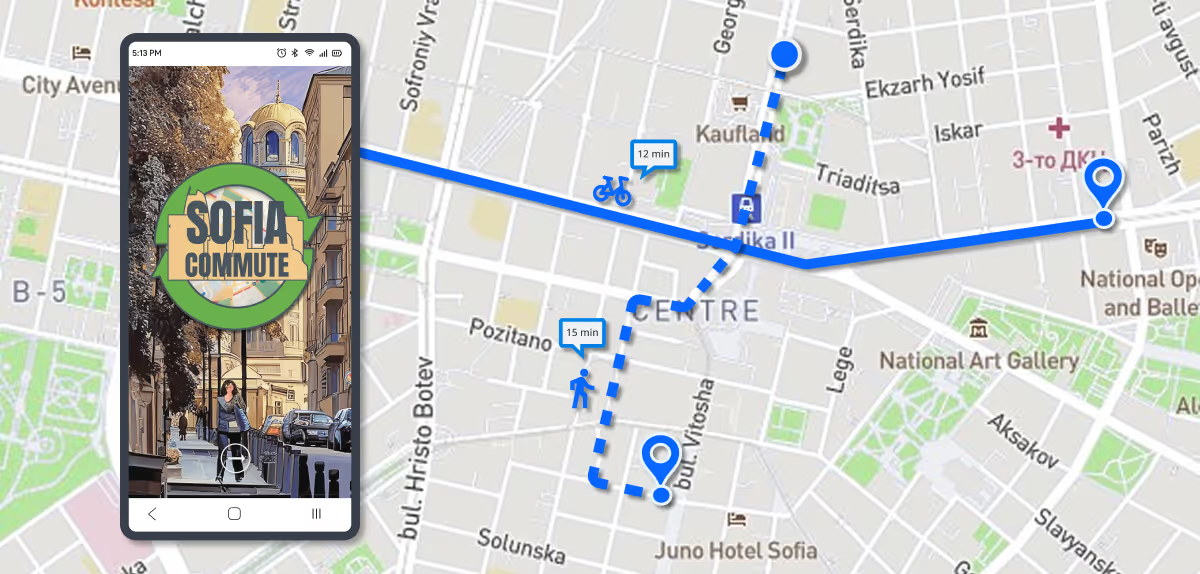
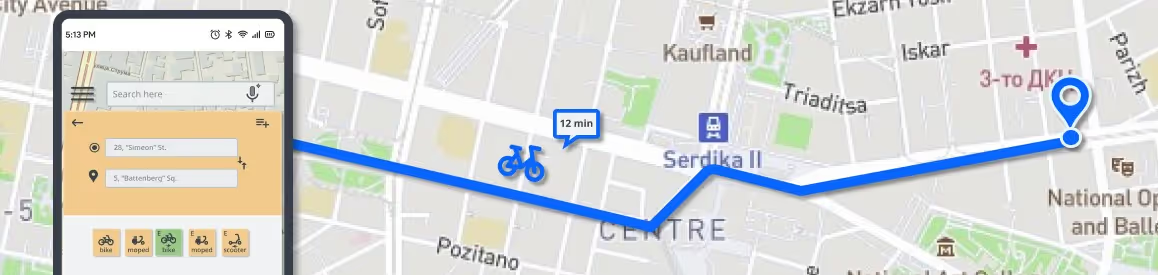
Visual banner related to a detailed case study of the "Sofia Commute" mobile app. The image features a stylized city scene of Sofia on a smartphone mockup, with a bold Sofia Commute logo, placed next to a map showing a mixed bicycle and walking route through central Sofia. The design suggests a UX project focused on optimizing urban commuting experiences in the Bulgarian capital.
This 2025 case study, designed for a UX Designer portfolio, presents a user-centered approach to eco-friendly transportation in Sofia. Grounded in design thinking and user research, it highlights key insights from a poll of local residents, revealing their transportation habits, challenges, and aspirations. Visualized data illustrates user preferences, with convenience and speed ranking highest, followed by eco-friendliness and safety. The research also uncovers major pain points, as two-thirds of users find current transport options uncomfortable and inaccessible. Notably, strong interest in shared rides and micro-mobility suggests promising opportunities for innovative solutions. These findings inform a strategic, user-driven approach to designing a smarter, more sustainable transportation app for Sofia.
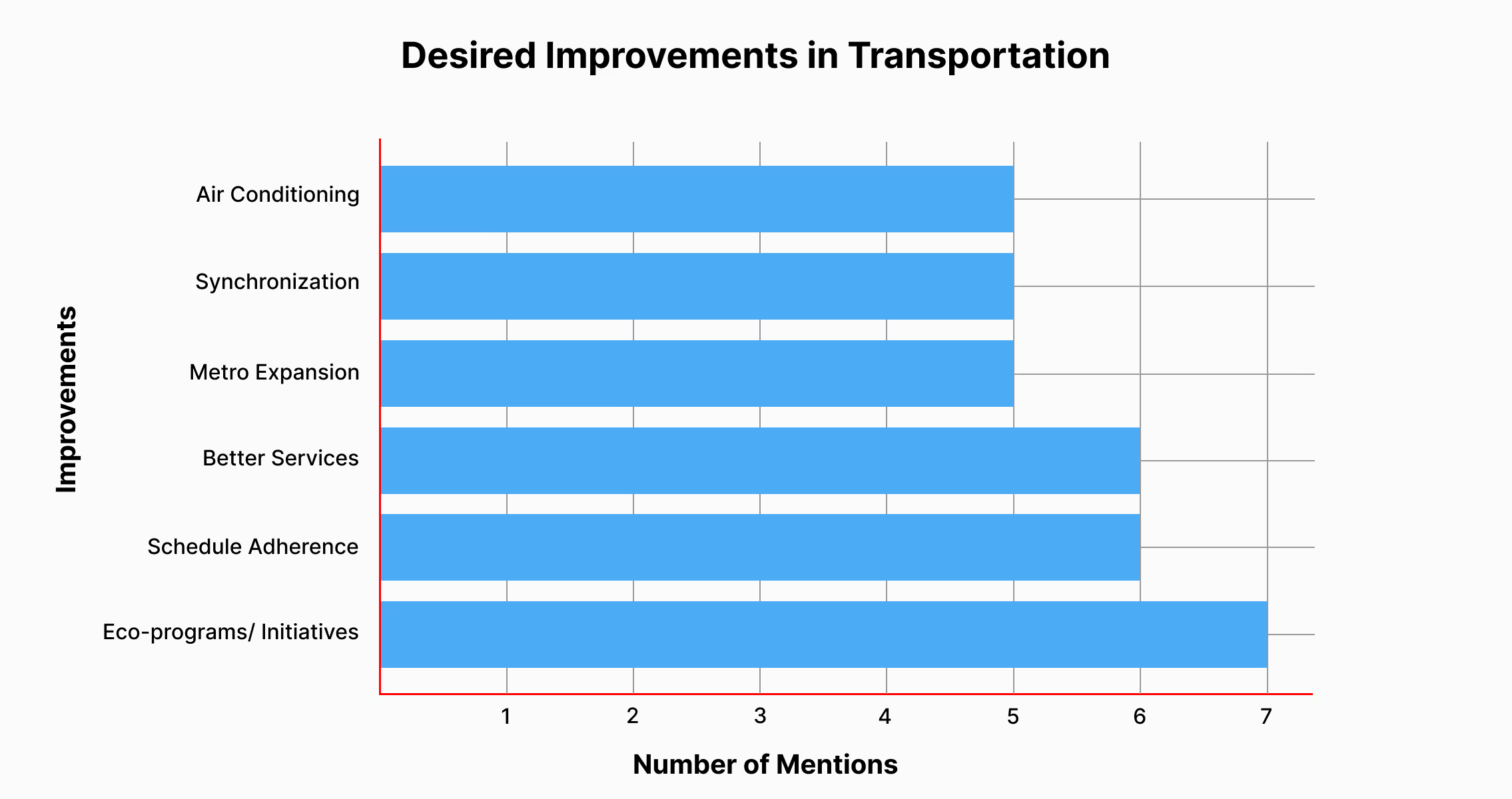
Horizontal bar chart titled “Desired Improvements in Transportation,” showing user survey results from Sofia. The most mentioned improvements include eco-programs/initiatives (7 mentions), schedule adherence (6), better services (6), and metro expansion (5). The chart reflects local users’ expectations for more sustainable, efficient, and comfortable public transportation, informing a UX design case study focused on smart urban mobility in Sofia.
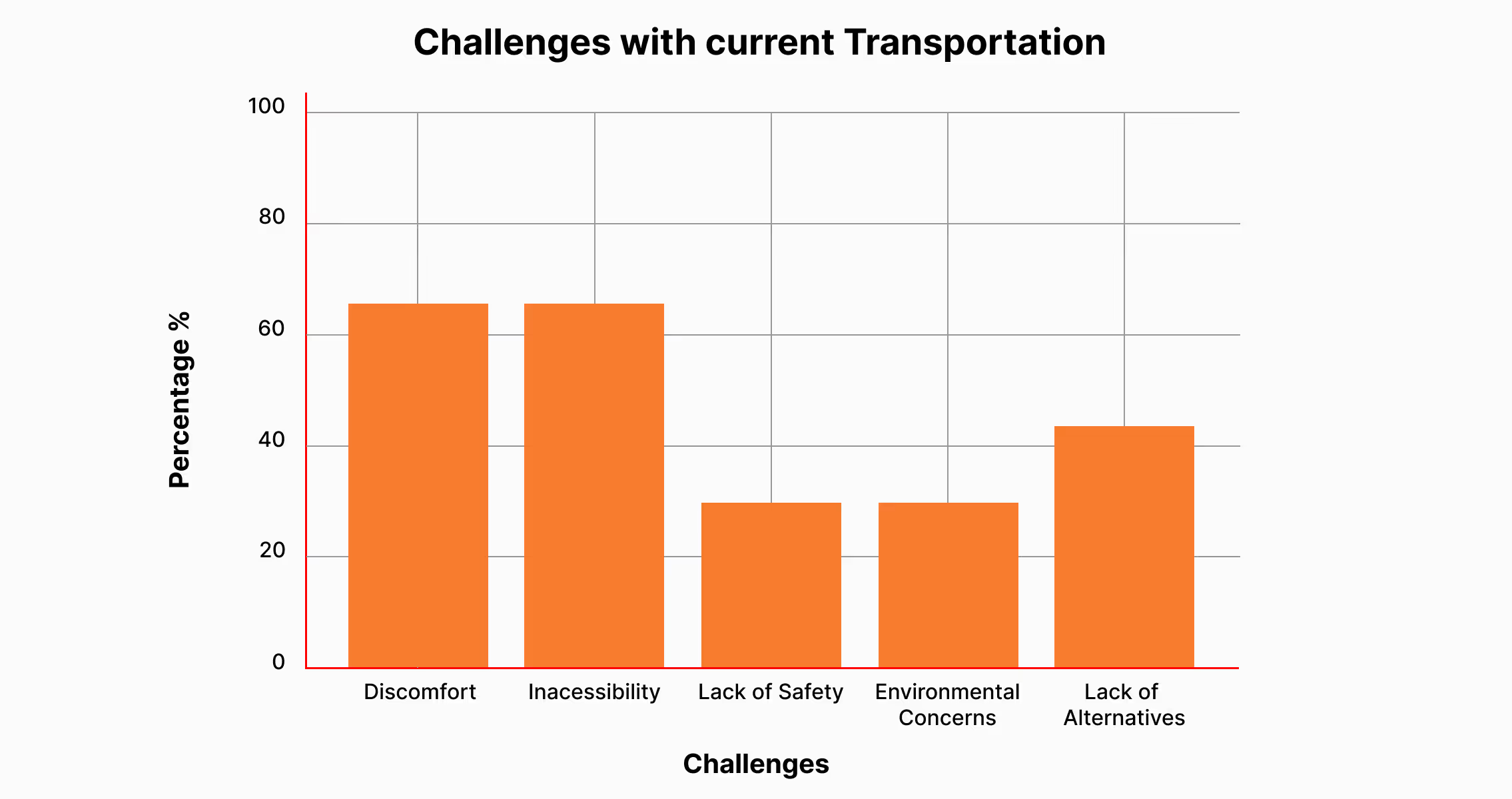
Vertical bar chart titled “Challenges with current Transportation,” based on a 2025 user survey in Sofia. The top reported issues are Discomfort (65%) and Inaccessibility (65%), followed by Lack of Alternatives (43%), Lack of Safety (28%), and Environmental Concerns (30%). This data reflects critical pain points in Sofia’s public transport system and supports the UX case study’s focus on creating a more accessible, comfortable, and sustainable commuting experience.
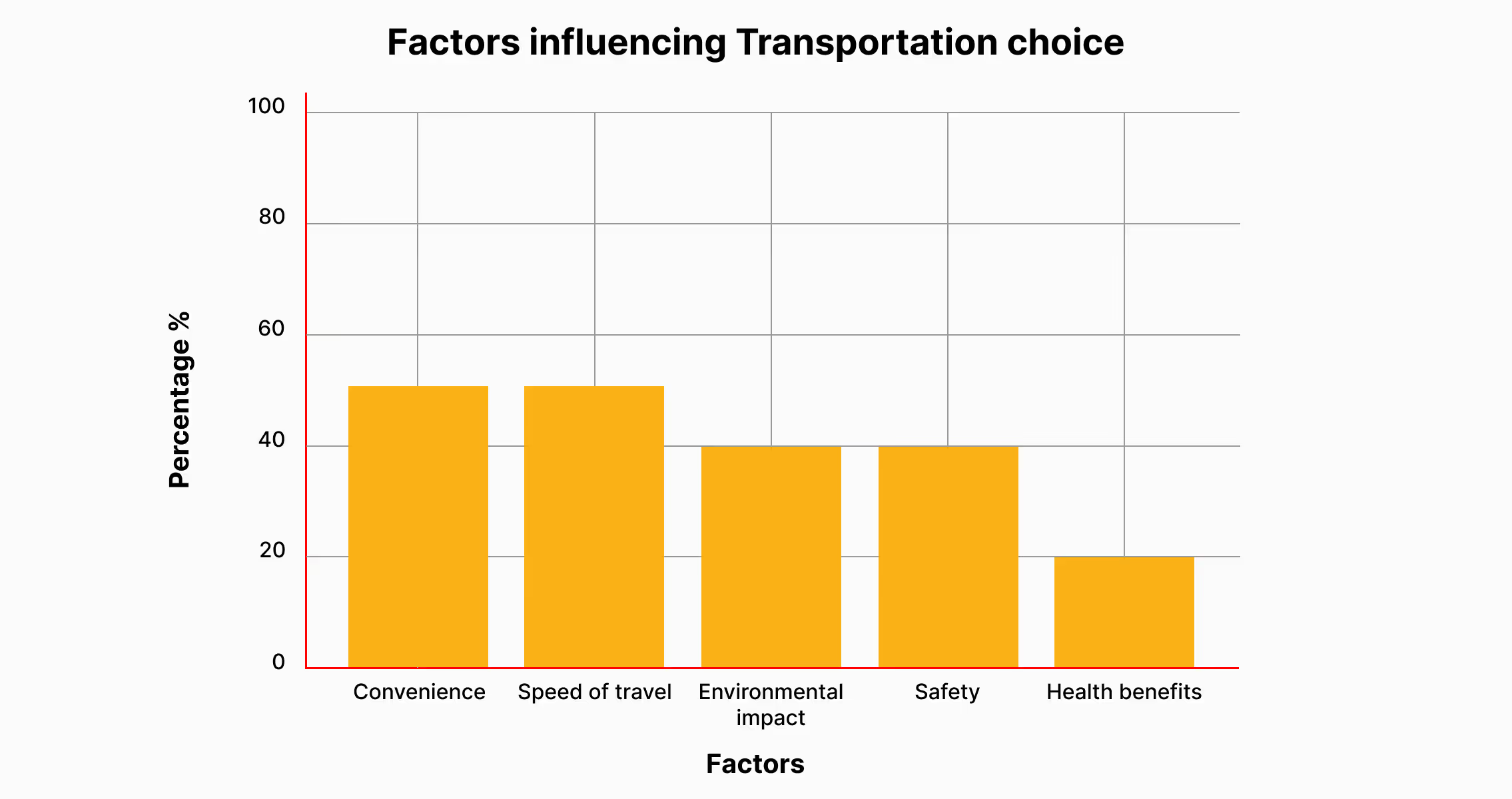
Horizontal bar chart titled “Factors influencing Transportation choice,” based on a 2025 user survey in Sofia. The top decision-making factors are Convenience and Speed of Travel (both around 48%), followed by Environmental Impact and Safety (about 38–40%), and lastly Health Benefits (20%). This chart supports the case study’s insights on user values when selecting transportation modes, guiding the design of a user-centered, eco-friendly mobility app for Sofia.
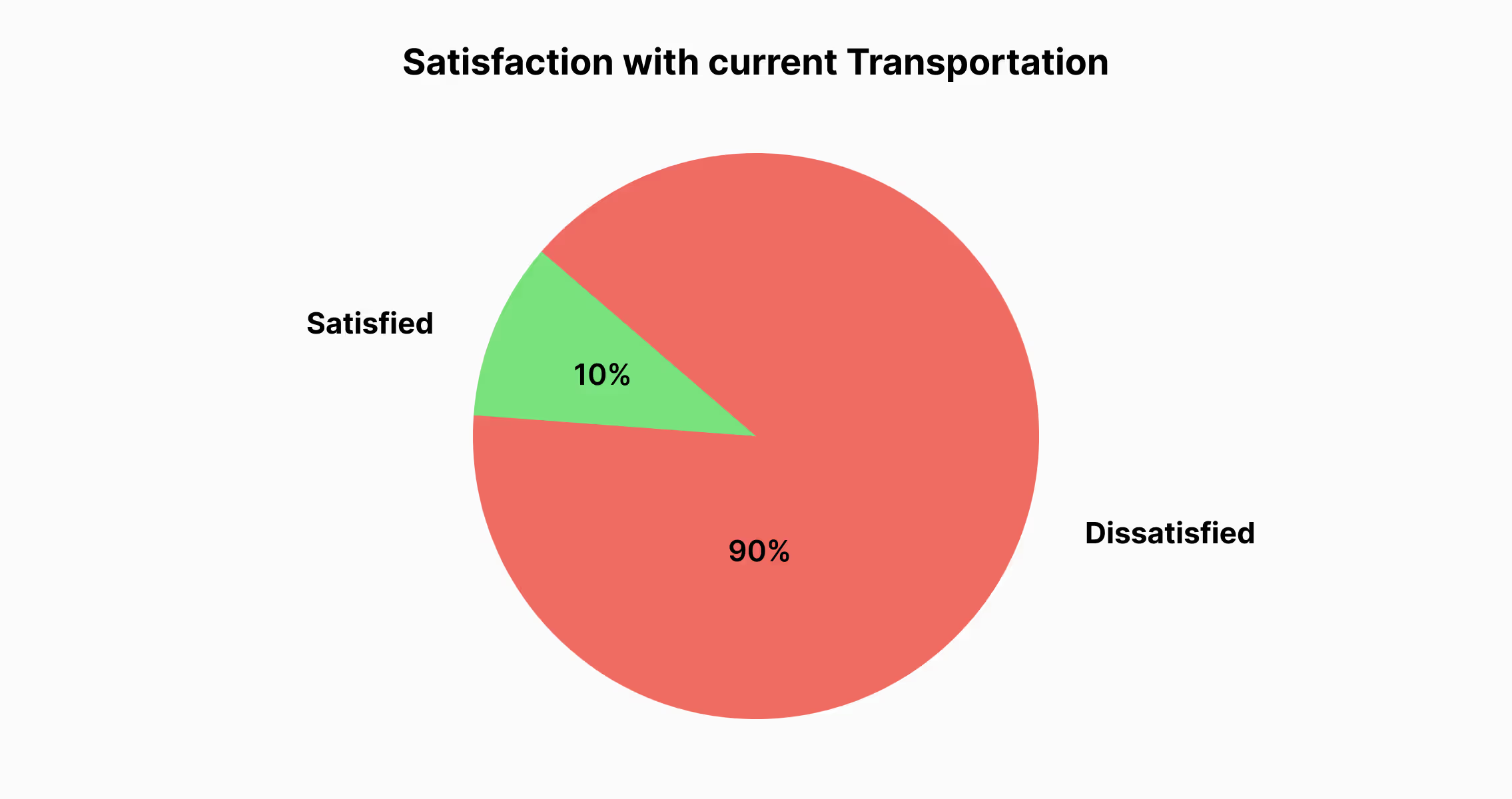
Pie chart showing user satisfaction with current transportation options in Sofia, based on a 2025 UX research survey. The chart reveals that 90% of respondents are dissatisfied, while only 10% report being satisfied. This significant dissatisfaction supports the study’s conclusion that current transport options are widely seen as inadequate and highlights the urgent need for user-centered, sustainable mobility solutions.
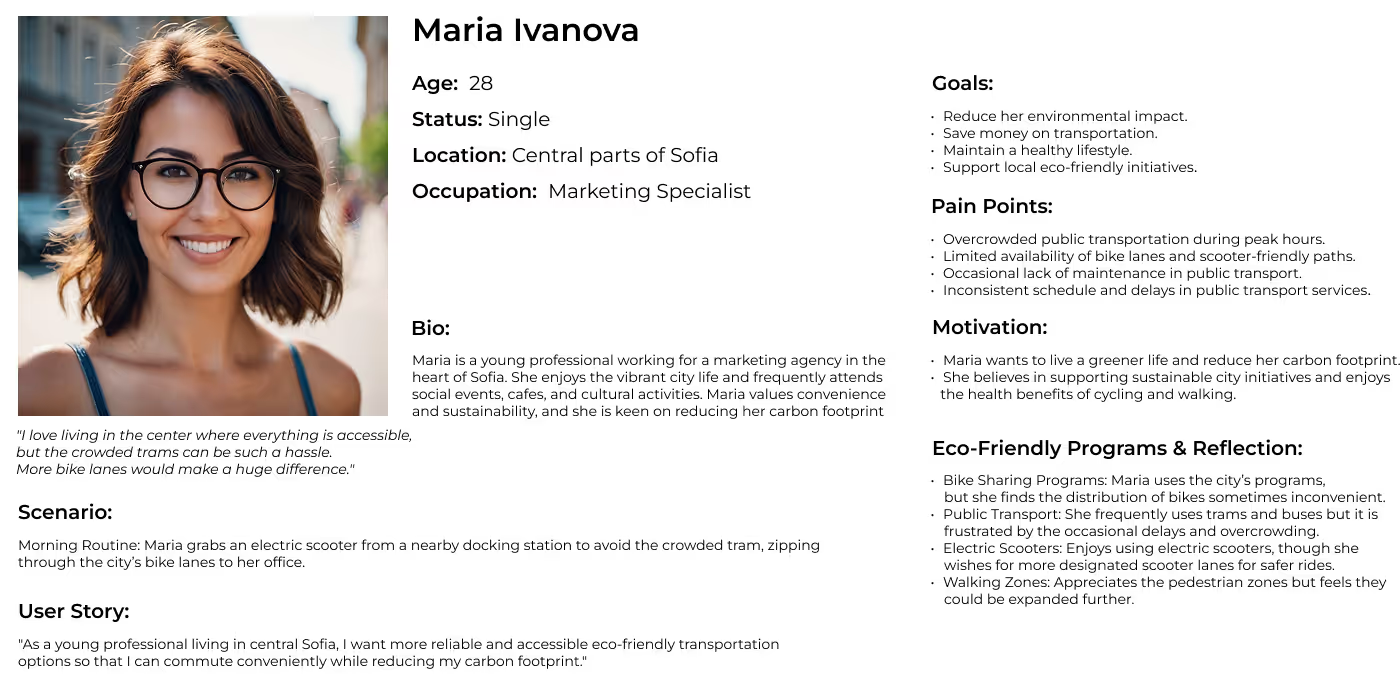
User persona for Maria Ivanova, a 28-year-old marketing specialist living in central Sofia, featured in a 2025 UX case study on sustainable transportation. Maria is single, values convenience and sustainability, and prefers eco-friendly commuting options like electric scooters. Her goals include reducing her environmental footprint and maintaining a healthy lifestyle. Key pain points include overcrowded transport, limited cycling infrastructure, and inconsistent public services. The persona also highlights her motivation to support green initiatives and enjoy the benefits of cycling and walking.
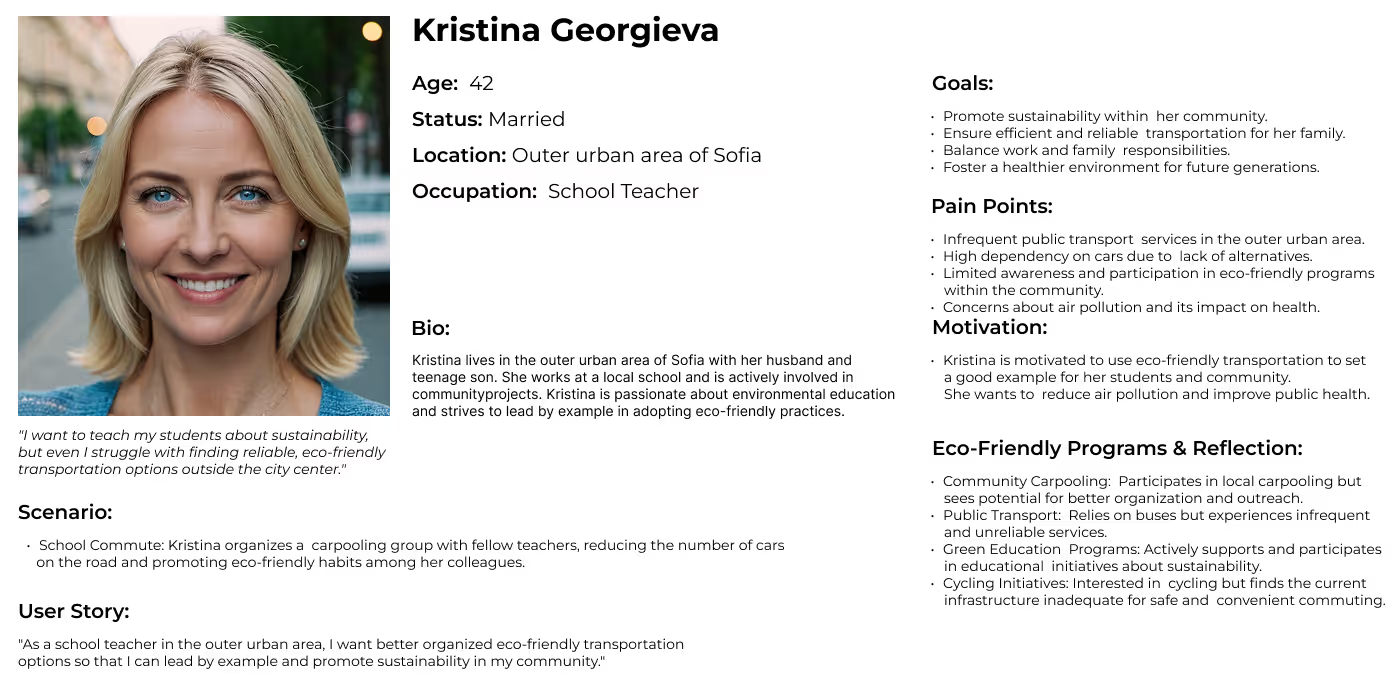
User persona for Kristina Georgieva, a 42-year-old married school teacher living in the outer urban area of Sofia, featured in a 2025 UX case study on sustainable transportation. Kristina is passionate about sustainability and environmental education, and organizes a carpooling group with fellow teachers. Her goals include promoting sustainability in her community and reducing her family's environmental footprint. Key pain points include limited public transport options, high car dependency, and poor visibility of eco-friendly programs. Kristina is motivated to lead by example and supports structured initiatives that empower others to adopt green commuting habits.
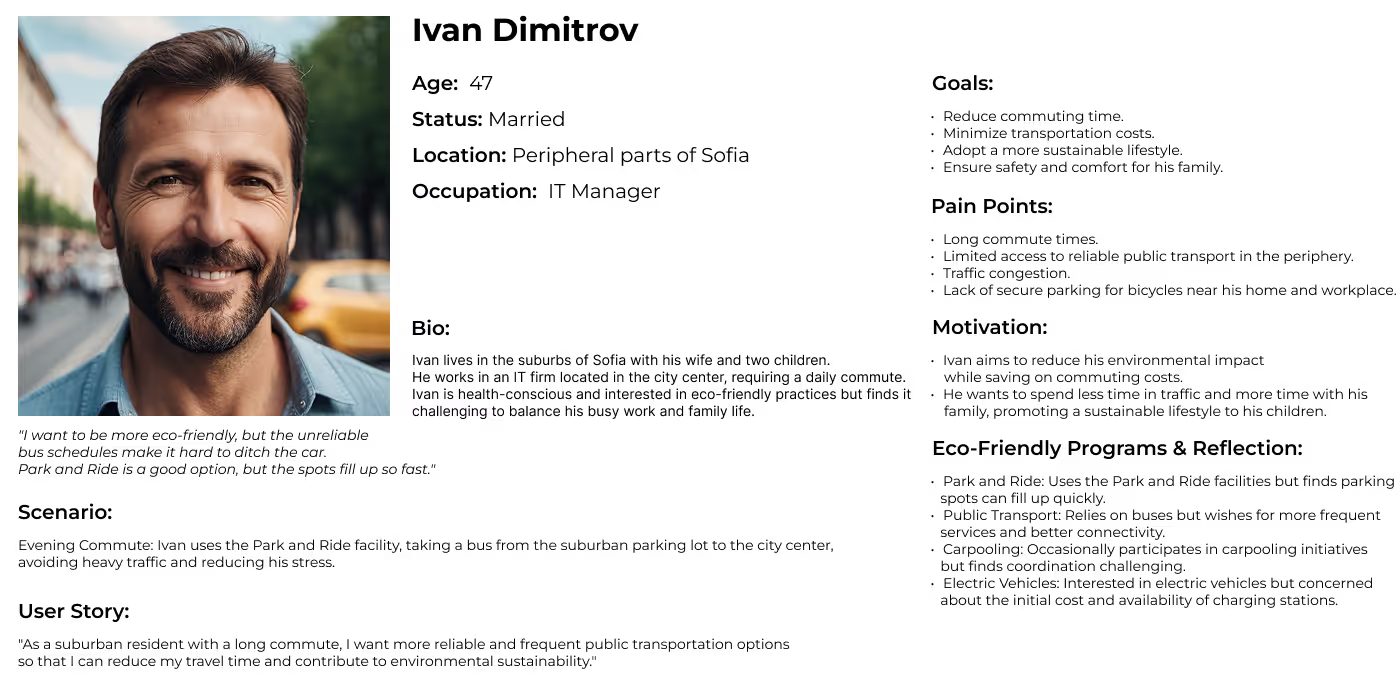
User persona for Ivan Dimitrov, a 47-year-old married IT Manager living in the peripheral parts of Sofia, featured in a 2025 UX case study focused on sustainable transportation. Ivan commutes daily to the city center using a Park and Ride system and faces long travel times, limited access to public transport, and lack of safe cycling infrastructure. His goals include reducing commute stress, adopting a healthier lifestyle, and spending more time with his family. Ivan is motivated by environmental concerns and personal well-being. He supports improvements such as more frequent buses, expanded Park and Ride options, and better access to electric vehicles and bike lanes.
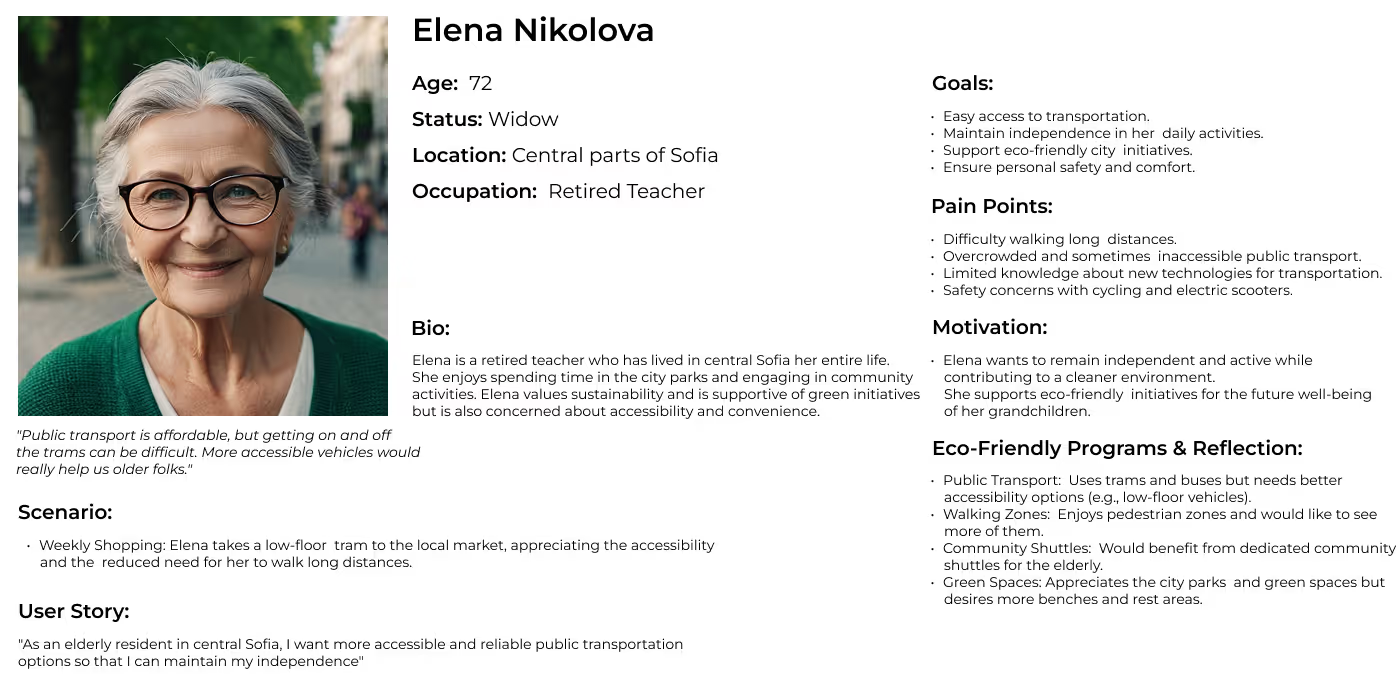
User persona for Elena Nikolova, a 72-year-old retired teacher and widow living in the central parts of Sofia, featured in a 2025 UX case study on sustainable urban mobility. Elena values independence, accessibility, and environmental sustainability. She struggles with long walking distances, boarding public transport, and navigating inaccessible services. Her goals include maintaining autonomy, using safe and affordable transit, and supporting future-friendly eco-initiatives. She advocates for more accessible low-floor trams, senior-friendly services, and improved walking infrastructure.
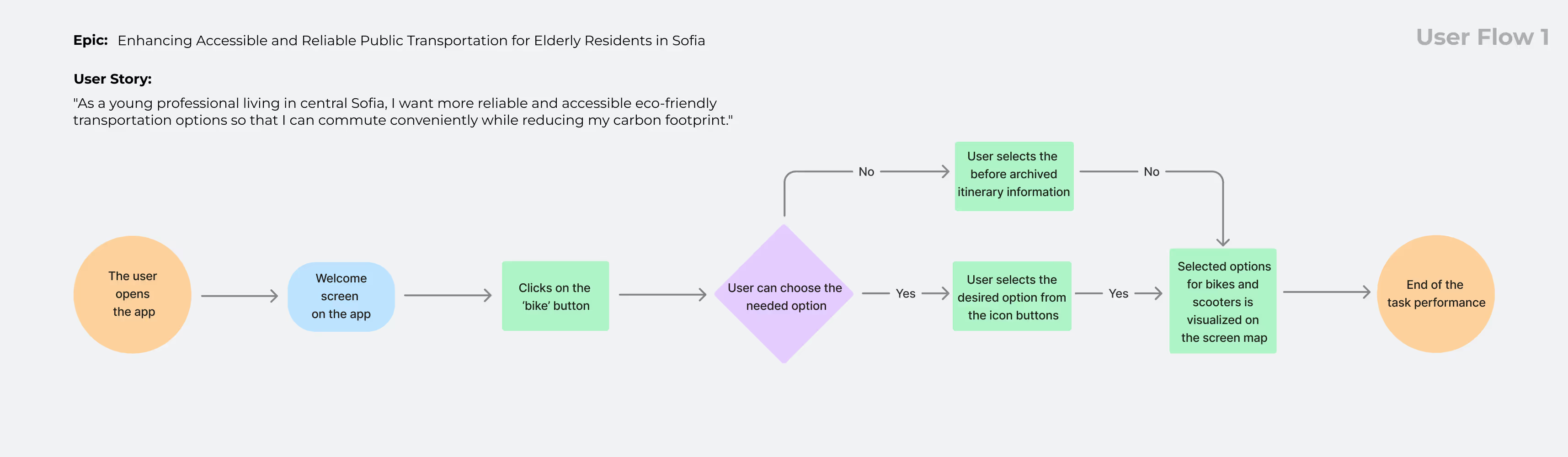
User flow diagram showing the journey of a user selecting bike or scooter transport in an eco-friendly mobility app for Sofia. The flow begins when the user opens the app, views the welcome screen, and clicks the “bike” button. The user can choose from previously archived itinerary information or select new options via icons. The final output is a screen map visualizing bike and scooter availability. This task flow supports fast, accessible commuting and promotes sustainability through intuitive design and multimodal planning.
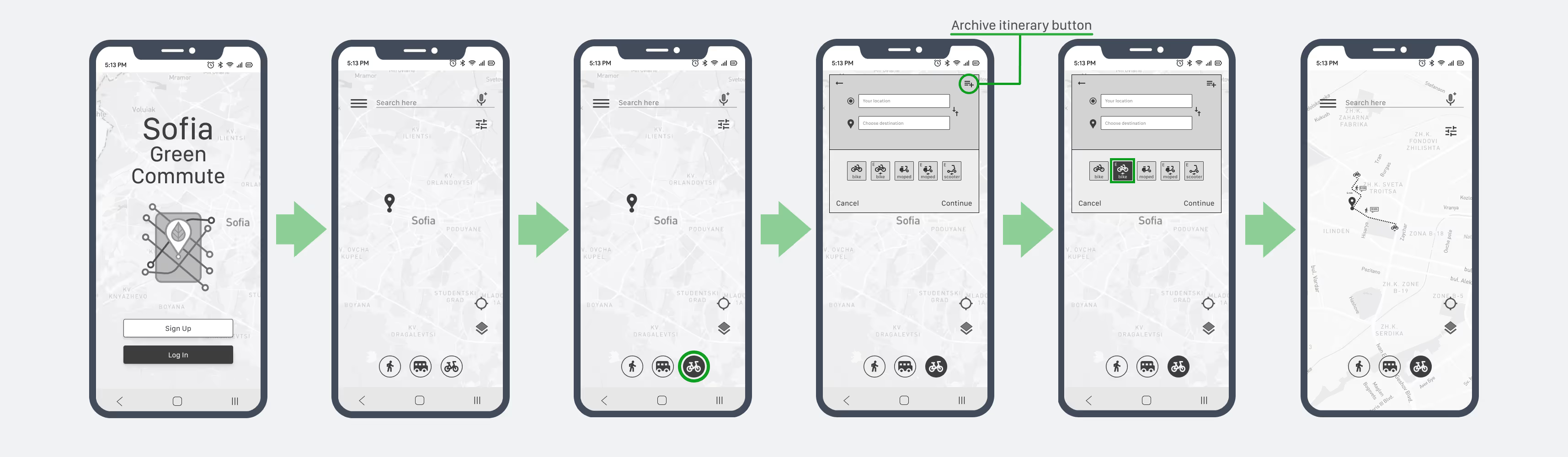
A sequence of seven low-fidelity mobile wireframes for the Sofia Green Commute app. The flow begins on the login screen and progresses through a map interface where the user selects the bike icon. The user is then shown a modal with transport options (walking, bus, bike, scooter), can filter results using input fields, and has the option to archive previous routes. The flow ends with a map view displaying available bikes and scooters. The design supports multimodal trip planning and encourages sustainable mobility choices in Sofia.
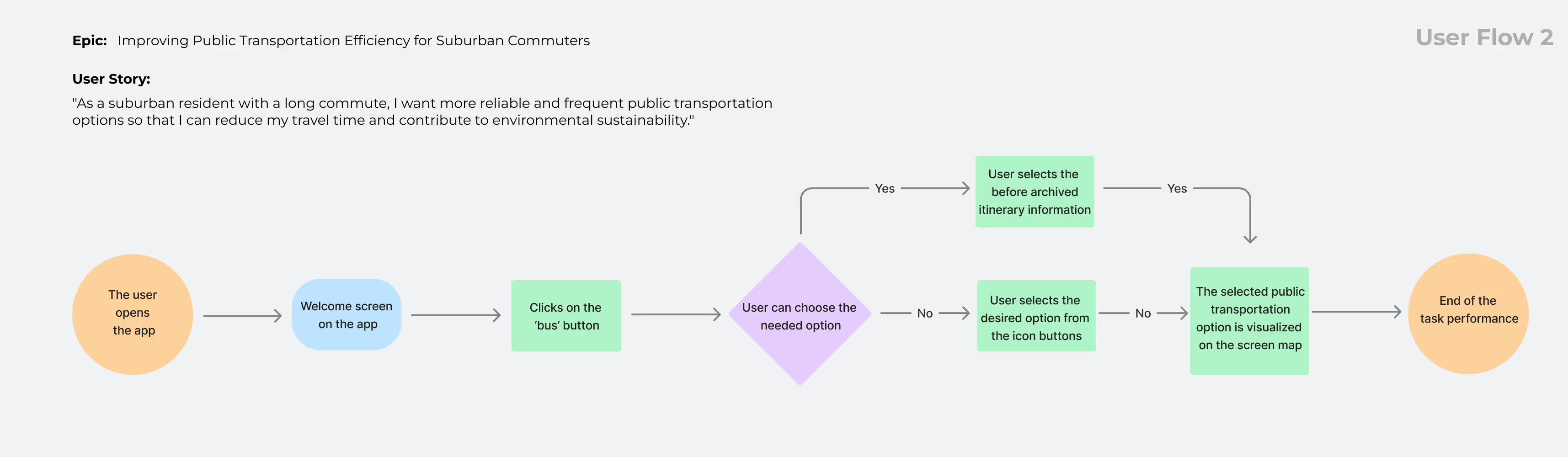
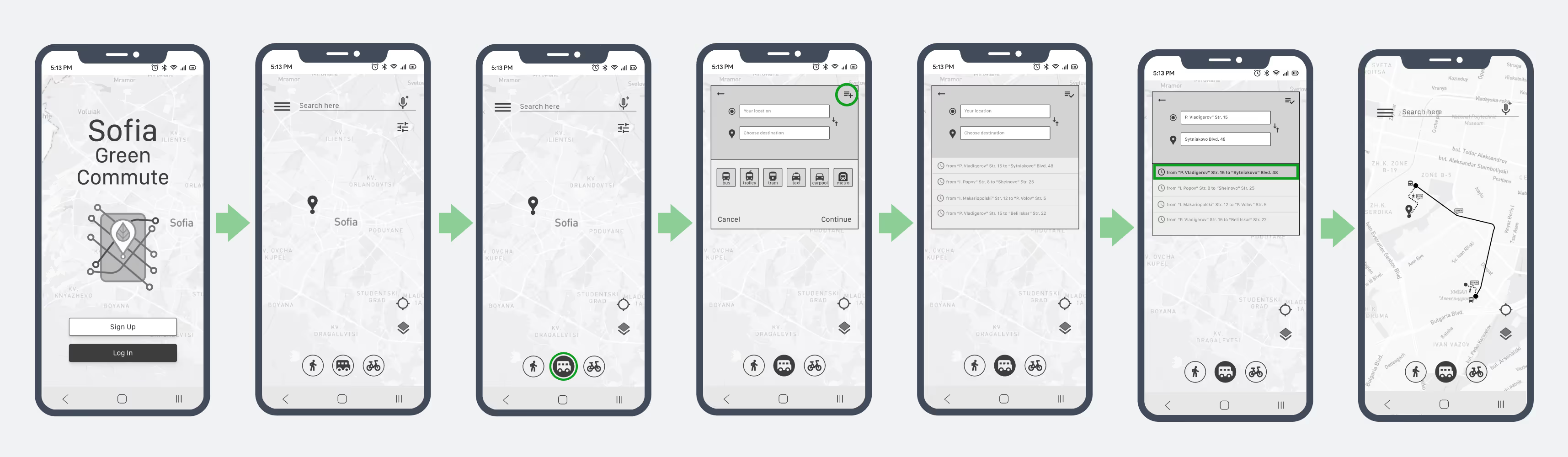
A horizontal user flow diagram titled "Improving Public Transportation Efficiency for Suburban Commuters." The flow begins with the user opening the app and reaching the welcome screen. The user clicks the 'bus' button and can either select a previously archived itinerary or choose a new option from icon buttons. Once a selection is made, the corresponding public transport route is displayed on the map, completing the task. The flow is based on a user story focused on reducing commute time and enhancing eco-friendly travel for suburban users.
A low-fidelity wireframe sequence of seven mobile screens showing a user journey in the Sofia Green Commute app. The user logs in, views the map of Sofia, and taps the bus icon. They access the itinerary archive by clicking the top-right folder icon, then select a previously saved route. The app displays the selected bus route visually on the map. This flow highlights how the app supports efficient commute planning for suburban residents using stored itineraries.
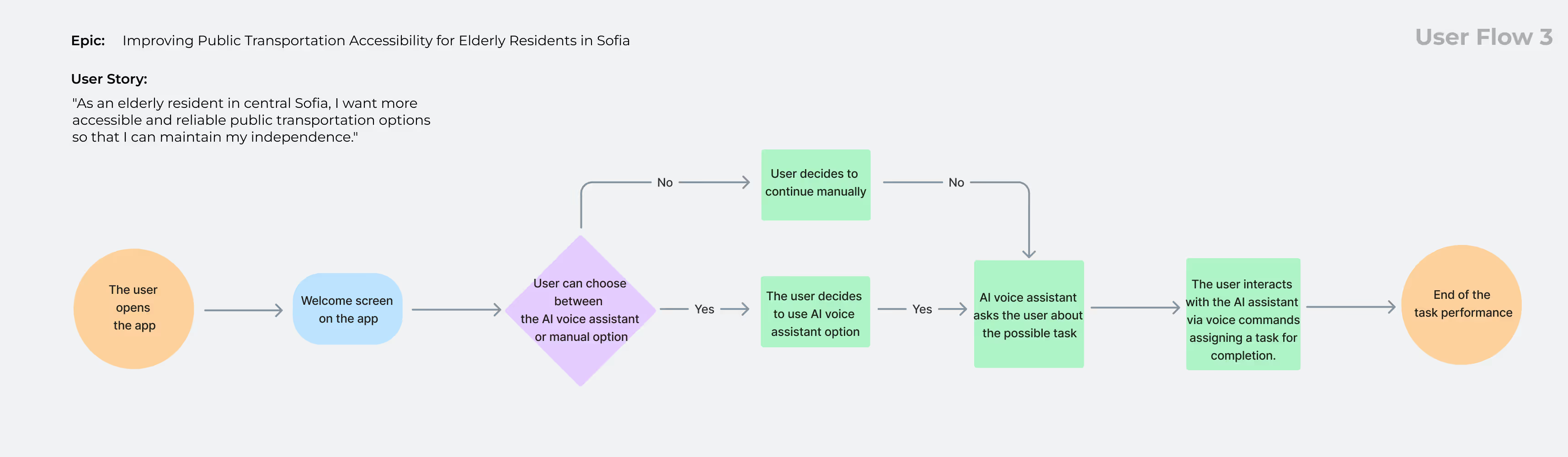
A user flow diagram illustrating an elderly user's journey in the Sofia Green Commute app. After launching the app and reaching the welcome screen, the user chooses between using an AI voice assistant or navigating manually. If selecting the AI option, the assistant asks for the desired task and processes voice commands to assist with journey planning. The diagram highlights how the app improves accessibility for seniors by offering voice-guided interaction for public transport use.
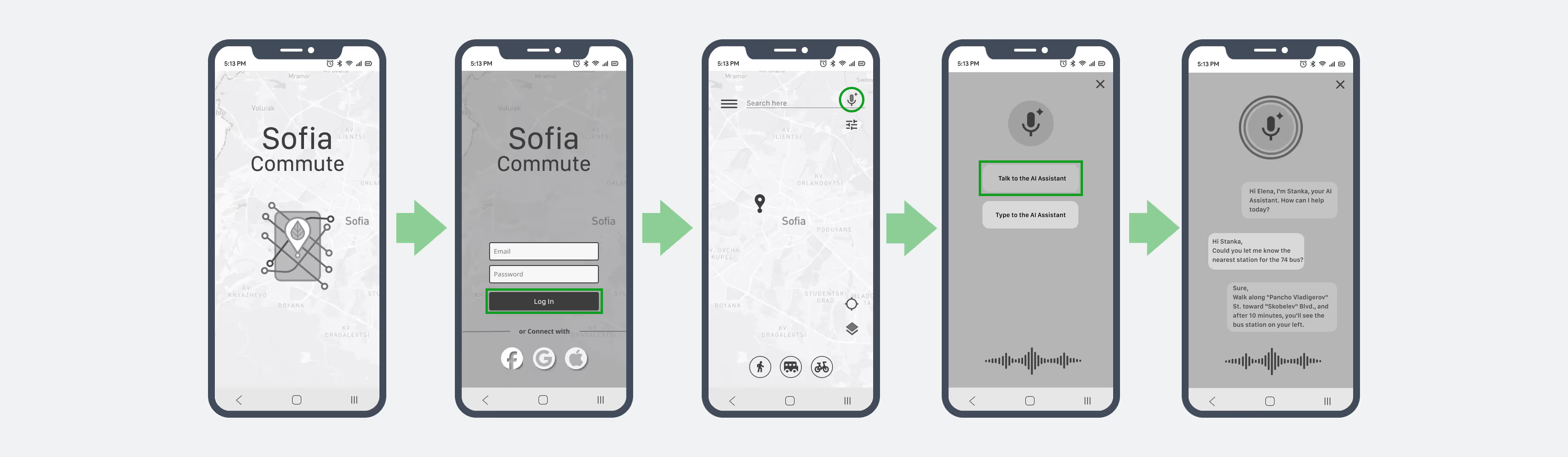
Low-fidelity mobile wireframes showing a user logging into the Sofia Commute app and accessing a built-in AI voice assistant. The sequence includes app launch, login screen, home screen with a voice assistant icon, a screen offering voice or text input, and a chat interface where the user asks for nearby stations. The voice assistant responds with clear options. The flow demonstrates how the app supports accessibility and intuitive navigation for eco-friendly urban transportation.
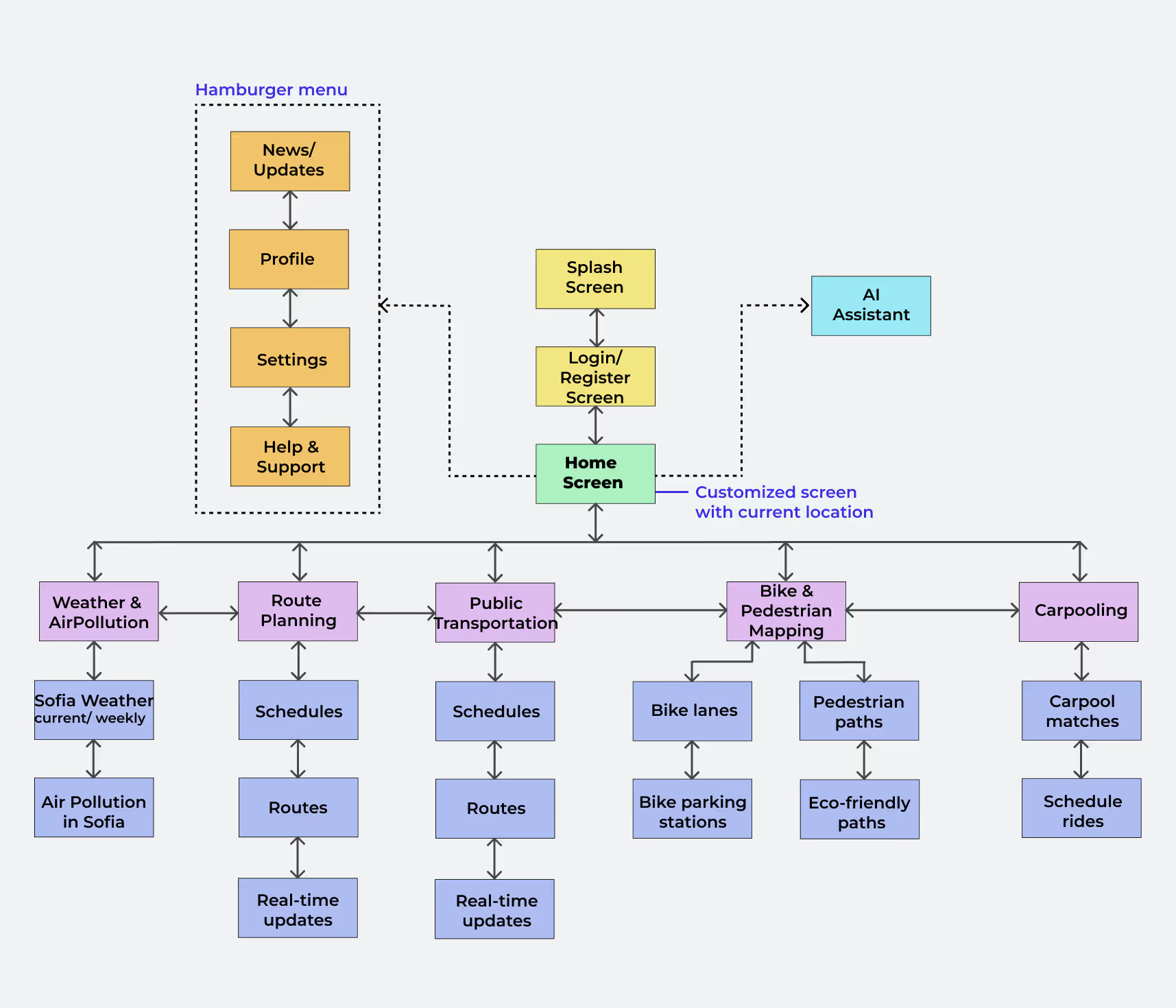
Information architecture diagram illustrating the structure of the Sofia Green Commute app. It starts with the splash screen, login/register, and home screen, branching into modules like AI Assistant, Hamburger Menu (with news, profile, settings, help), and key features such as Route Planning, Public Transportation, Weather & Air Pollution, Bike & Pedestrian Mapping, and Carpooling. Subcategories include schedules, routes, real-time updates, eco-friendly paths, and carpool matches, reflecting a comprehensive, user-centered, and sustainability-focused design.
This eco-friendly transportation app for Sofia enhances urban mobility while promoting sustainability. Built around personas like eco-conscious commuters, students, and professionals, it addresses key concerns—convenience, speed, safety, and environmental impact. Features like real-time route tracking, schedule alerts, and eco-incentives encourage sustainable travel choices. The design process begins with low-fidelity wireframes, mapping out a seamless user experience with intuitive navigation, multimodal trip planning, and interactive features. Poll results show dissatisfaction with current transport, highlighting the need for better schedule accuracy, service quality, and expanded networks. By promoting shared rides, electric scooters, and bike-sharing, the app aligns with Sofia’s broader sustainability goals. Through thoughtful UX design and user-driven insights, this app transforms the way people navigate the city, making transportation more efficient, reliable, and environmentally friendly. Integrating real-time updates, safety features, and shared mobility options, the app fosters a more efficient, reliable, and eco-friendly transit system in Sofia.

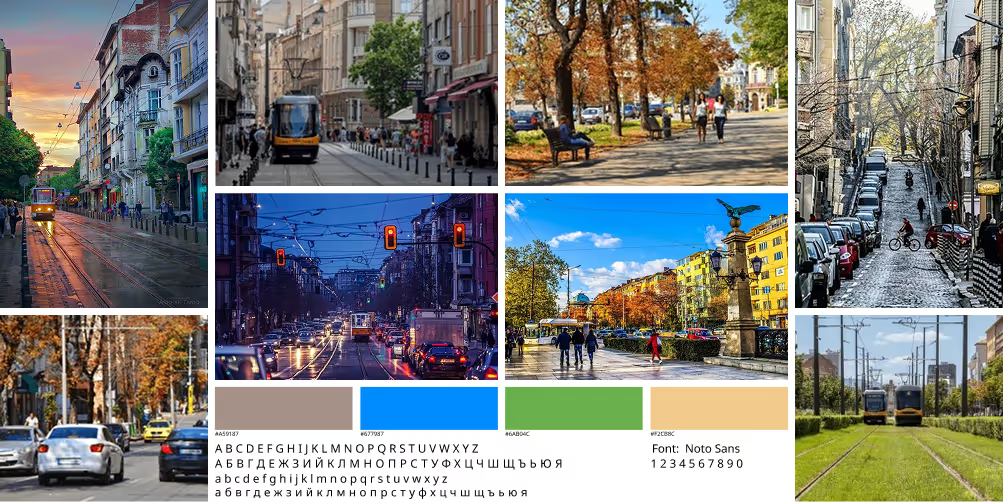
Moodboard showing visual inspiration for the Sofia Green Commute app. It includes images of urban transportation in Sofia such as trams, buses, cyclists, pedestrians, and city streets in different seasons and times of day. The board also presents a clean color palette (with green, blue, and earthy tones), typeface selection (Noto Sans), and Cyrillic and Latin alphabet samples, reflecting the app’s user-centric, eco-conscious design direction.
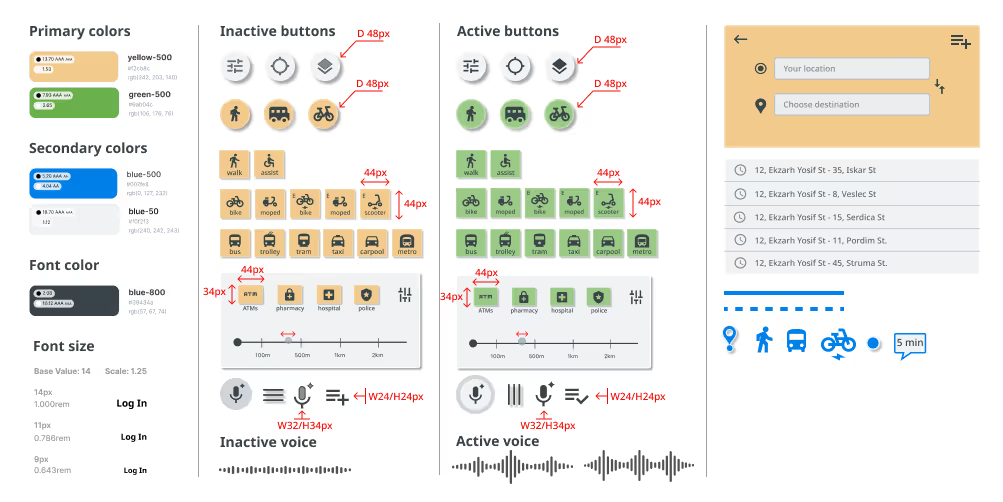
Design system for the Sofia Green Commute app showcasing UI elements such as color palette (primary green and yellow, secondary blue and gray), font styles, and button states. The layout compares inactive vs. active icons for transportation modes (bike, scooter, bus, pedestrian, etc.), voice interaction buttons, and UI measurements in pixels. Also includes examples of input fields, dropdowns, and iconography, supporting consistent and accessible design across the app.
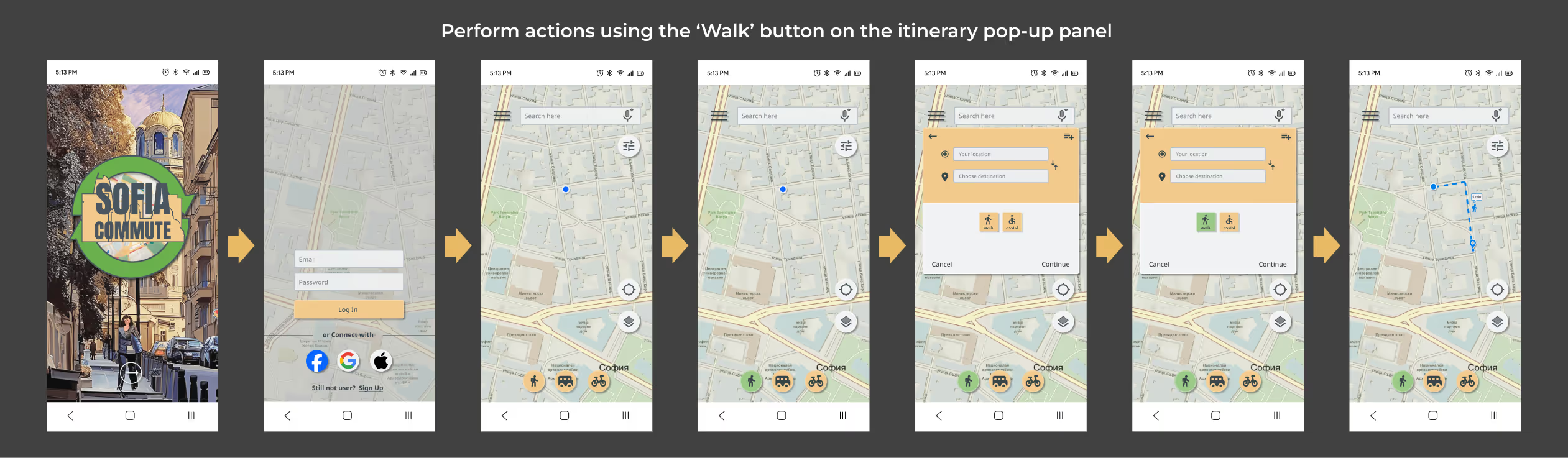
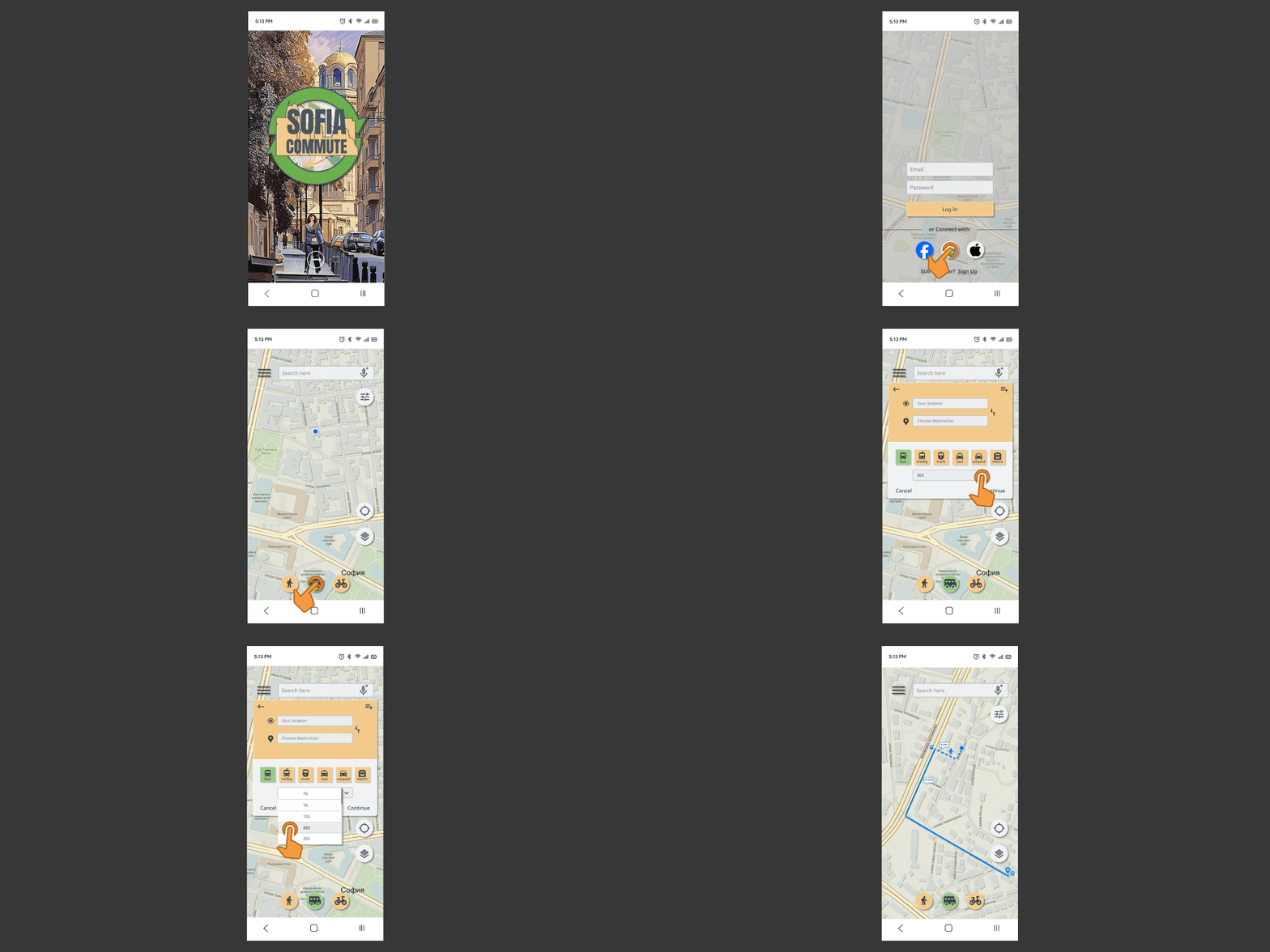
User interface flow of the Sofia Commute app demonstrating walking navigation. The sequence shows the user logging in, accessing the map screen, selecting the ‘Walk’ button from the bottom panel, inputting departure and destination locations in a pop-up itinerary panel, and viewing the generated walking route displayed on the map. This flow illustrates how the app supports eco-friendly, pedestrian-focused navigation for sustainable urban travel in Sofia.
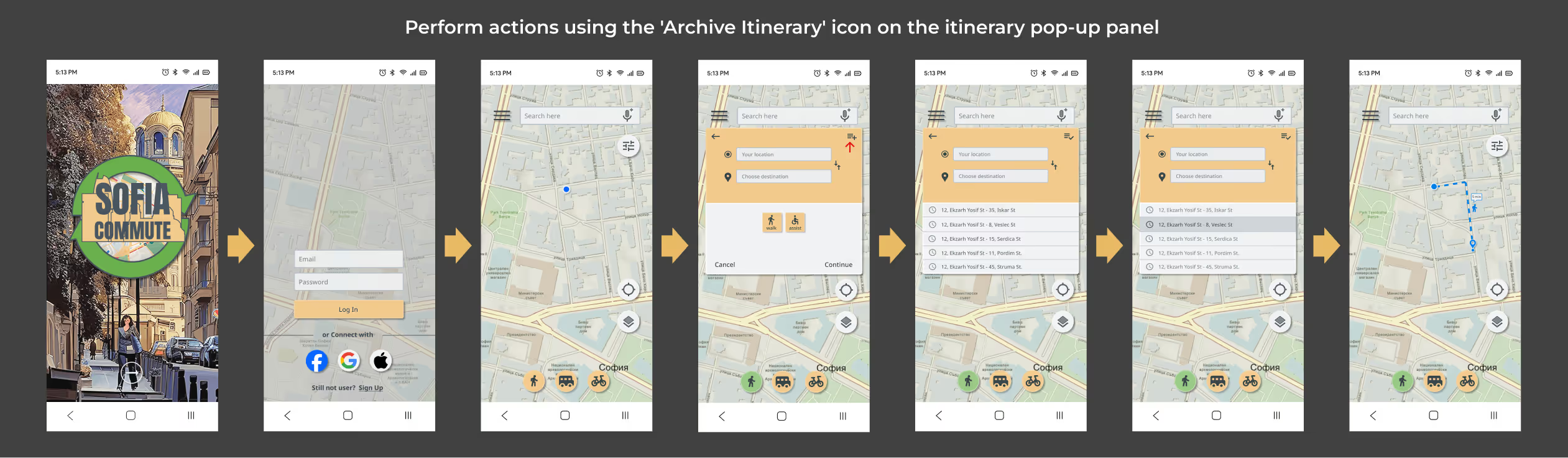
A user interface flow of the Sofia Commute app showing how users can access previously saved routes using the 'Archive Itinerary' icon on the trip planning panel. The steps include logging in, accessing the map, opening the itinerary panel, clicking the archive icon, selecting a saved route from a dropdown list, and viewing the selected itinerary path on the map. This interaction supports quicker planning for repeat journeys, enhancing efficiency and user convenience within the sustainable travel app for Sofia.
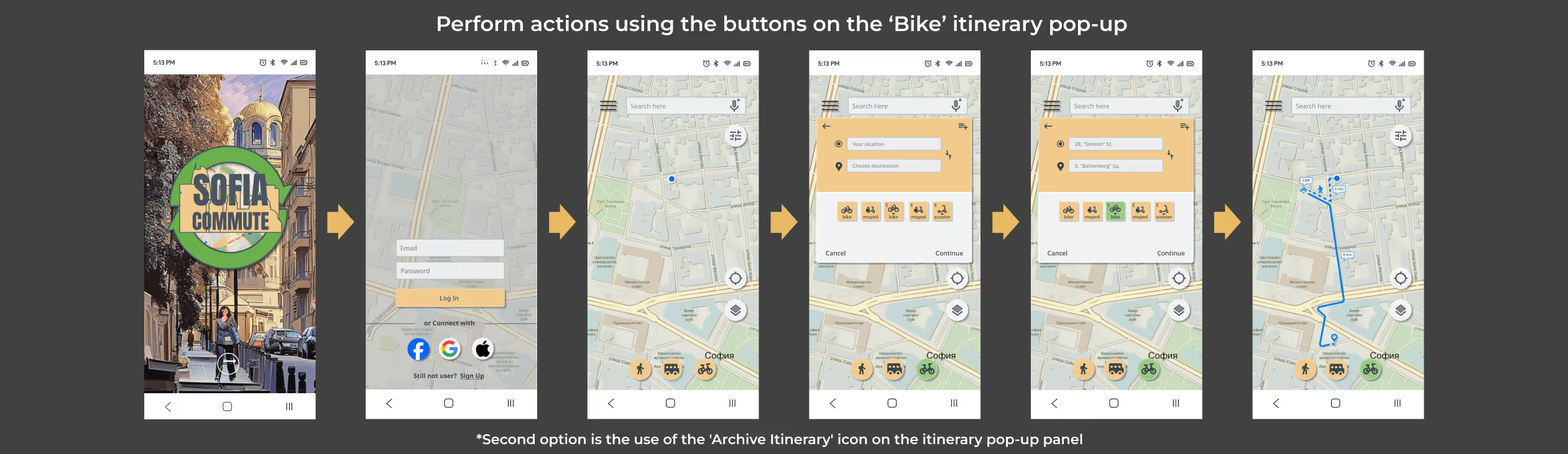
A user interface sequence of the Sofia Commute app demonstrating the bike route planning flow. It starts from the login screen, proceeds to the home map, then to the bike itinerary pop-up where the user enters starting and destination points. Bike-specific options are presented, and upon confirmation, the selected cycling route is displayed on the map. This feature supports eco-friendly commuting by offering intuitive access to bicycle navigation in Sofia.
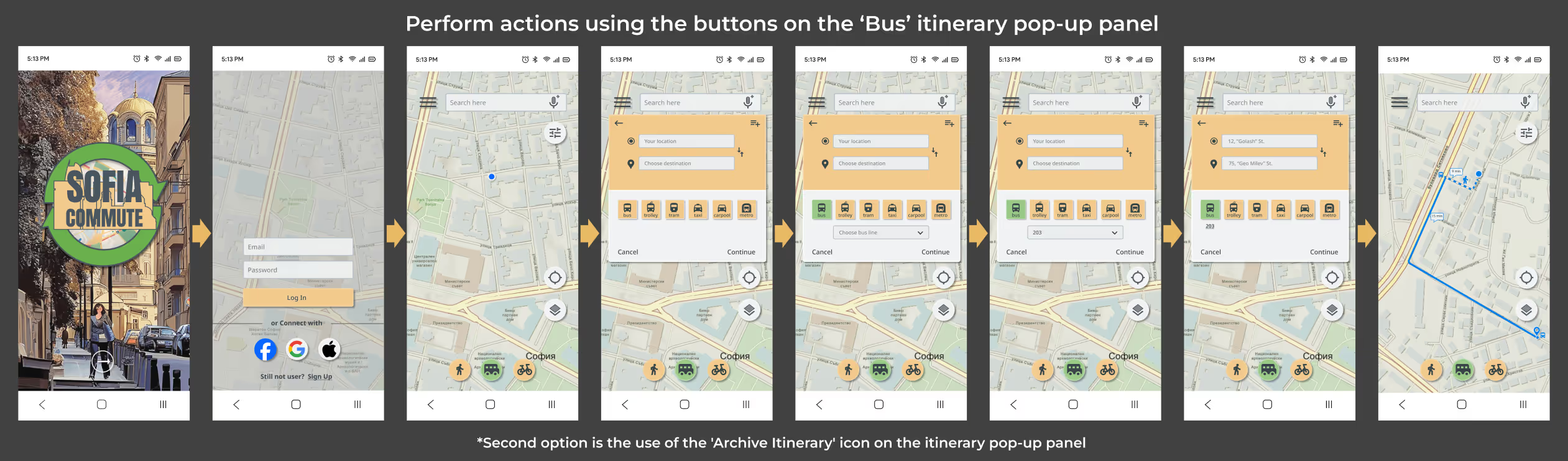
A user flow of the Sofia Commute app illustrating how a user selects and visualizes a bus route. The flow begins with the login screen, proceeds to the main map interface, and opens a ‘Bus’ itinerary pop-up panel. The user inputs their location and destination, selects a bus icon from available transport modes, and is presented with suggested routes. Upon confirmation, the chosen bus route is mapped on the screen. This feature supports sustainable commuting by improving public transport usability and planning in Sofia.
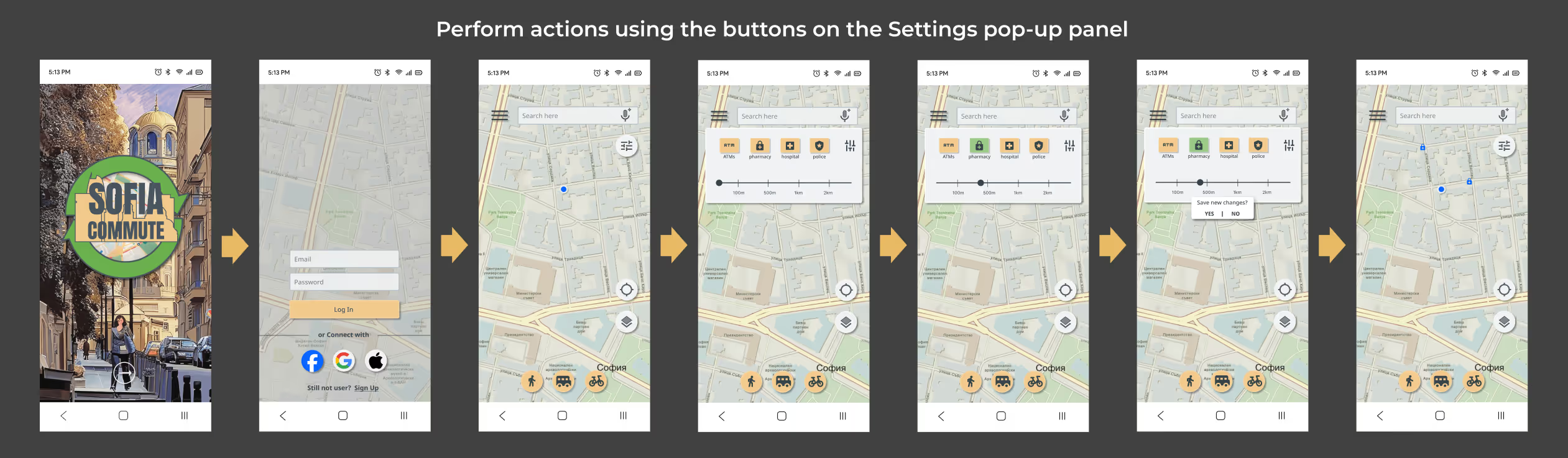
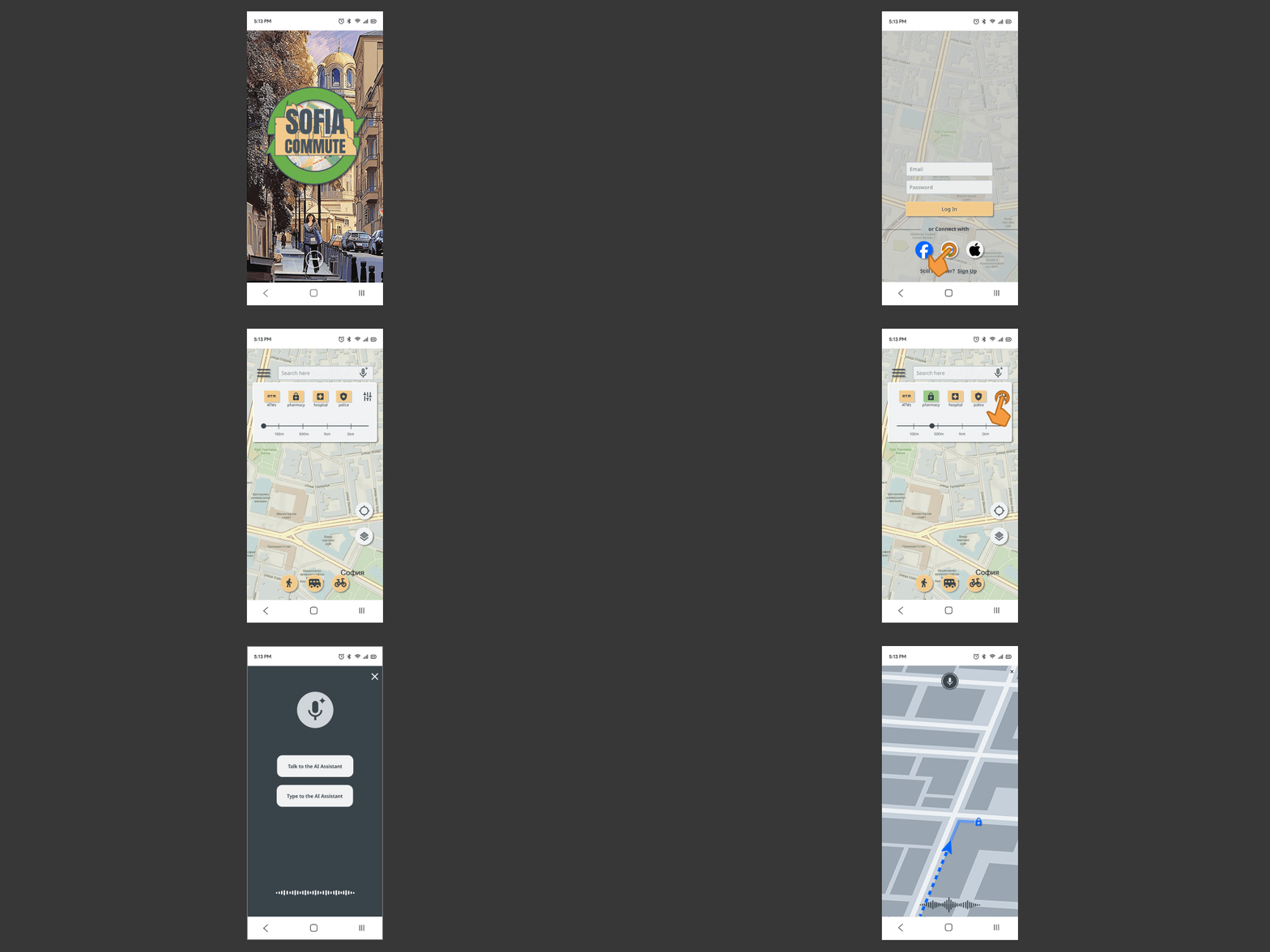
A visual walkthrough of the Sofia Commute app showing how a user interacts with the settings pop-up panel. The flow begins with the login screen, followed by the main map interface. The user accesses the settings icon to adjust preferences such as visible transport types, eco-friendly options, and range filters. The interface offers toggles for walking, biking, scooters, and public transport, as well as a slider to define the travel radius. These features allow personalized route planning and reinforce the app’s focus on accessibility and sustainable commuting in Sofia.
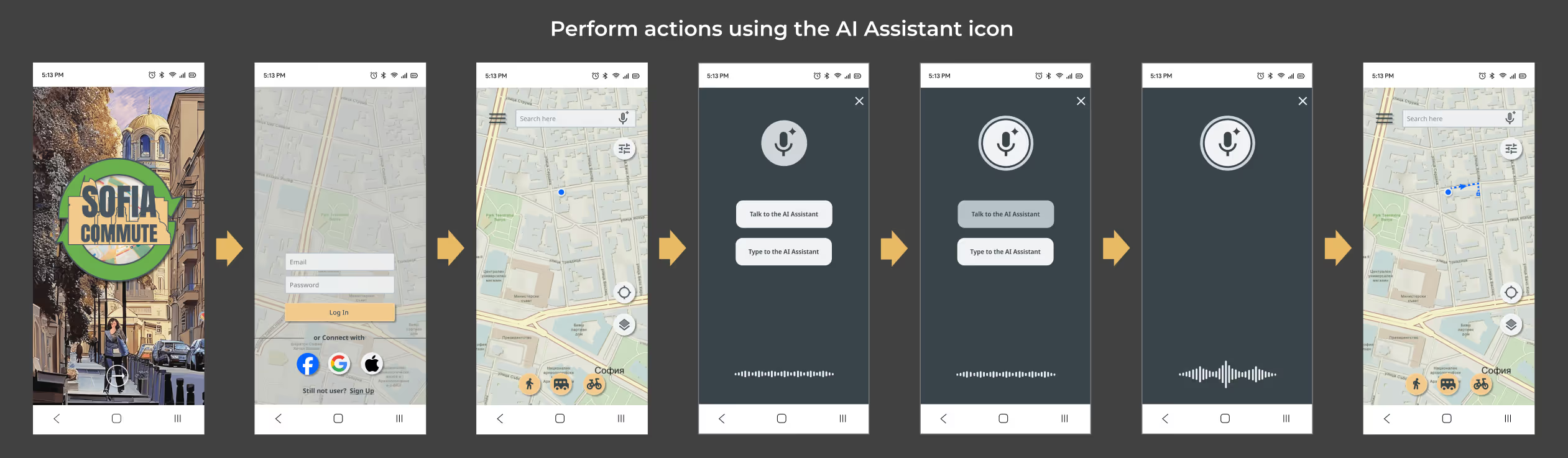
A UI flow of the Sofia Commute app demonstrating how a user interacts with the AI voice assistant. The sequence starts from the splash and login screens, continues through the main map interface where the AI assistant icon is accessed. The user is presented with options to speak or type to the assistant. The interaction is followed by voice waveform animations and ends with the app visualizing the selected route on the map. This feature enhances accessibility, especially for elderly users or those with limited manual dexterity, supporting a smoother eco-friendly commute in Sofia.
An animated GIF showing a user interacting with the Sofia Commute app. The animation demonstrates key features such as logging in, selecting a transportation mode (bike, bus, or walk), planning a route, and viewing the itinerary on the map. The flow highlights intuitive UI elements like pop-up panels, icon buttons, and real-time route visualization. Designed to promote eco-friendly and accessible travel in Sofia, the GIF visually reinforces the app's user-centered design and seamless navigation experience.
Animated GIF showcasing the Sofia Commute app in action. The user first explores nearby pharmacy locations displayed on the interactive city map. Then, they activate the AI voice assistant by tapping the microphone icon and speak a command to refine their search or request directions. The assistant responds with relevant options, supporting hands-free interaction. This feature improves accessibility and ease of use, especially for elderly or mobility-limited users, while promoting eco-friendly urban navigation.
Click the left image to explore the full Case study.
For the best experience, use a desktop.
Upward arrow icon – button used to scroll back to the top of the page.