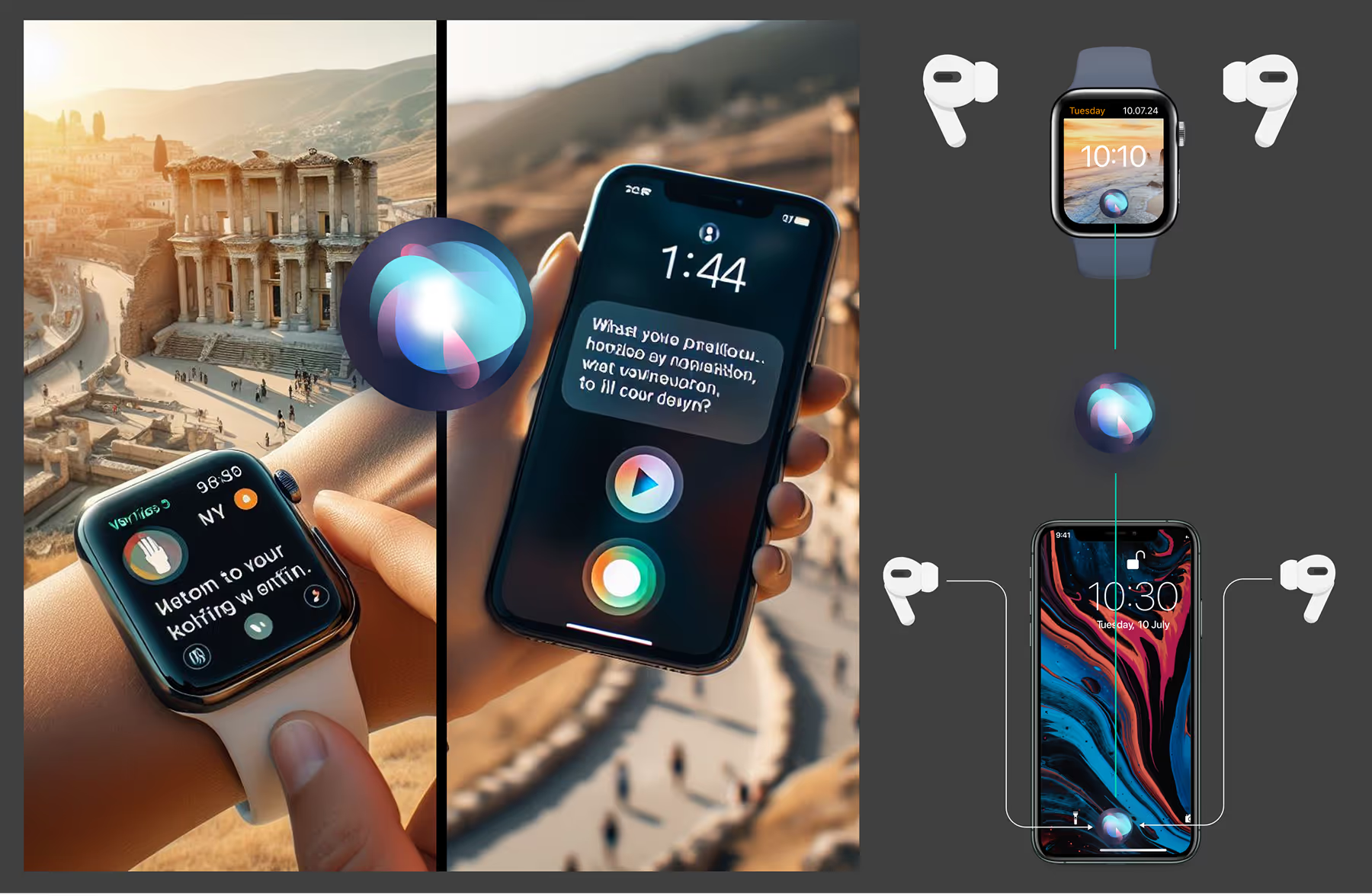
Case study: UX redesigning Siri 2.0 with AI-powered, context-aware features, improved privacy, and smarter integrations.
In 2024, Apple will launch Siri 2.0, an AI upgrade for more personalized, proactive, and context-aware interactions. This case study explores its deeper integration with third-party apps and Apple’s ecosystem, enhancing scheduling, home automation, and work customization. It also examines challenges like voice recognition, offline functionality, and multilingual support. Prioritizing privacy, regulatory compliance, and data transparency, Siri 2.0 aims to reshape consumer expectations and expand into markets like healthcare and education.
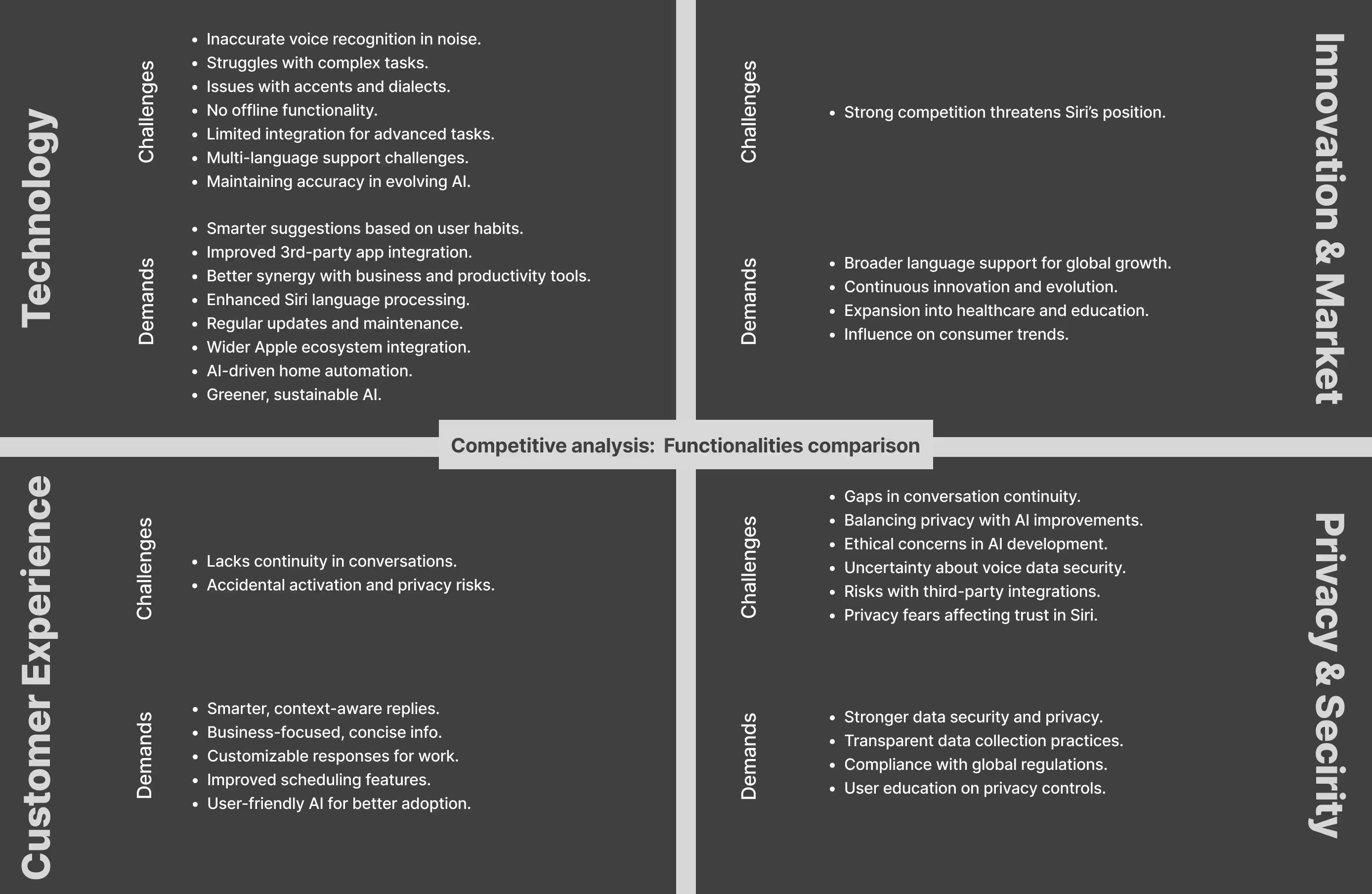
Competitive analysis chart comparing challenges and user demands in four key areas—Technology, Innovation & Market, Privacy & Security, and Customer Experience related to voice AI assistants.
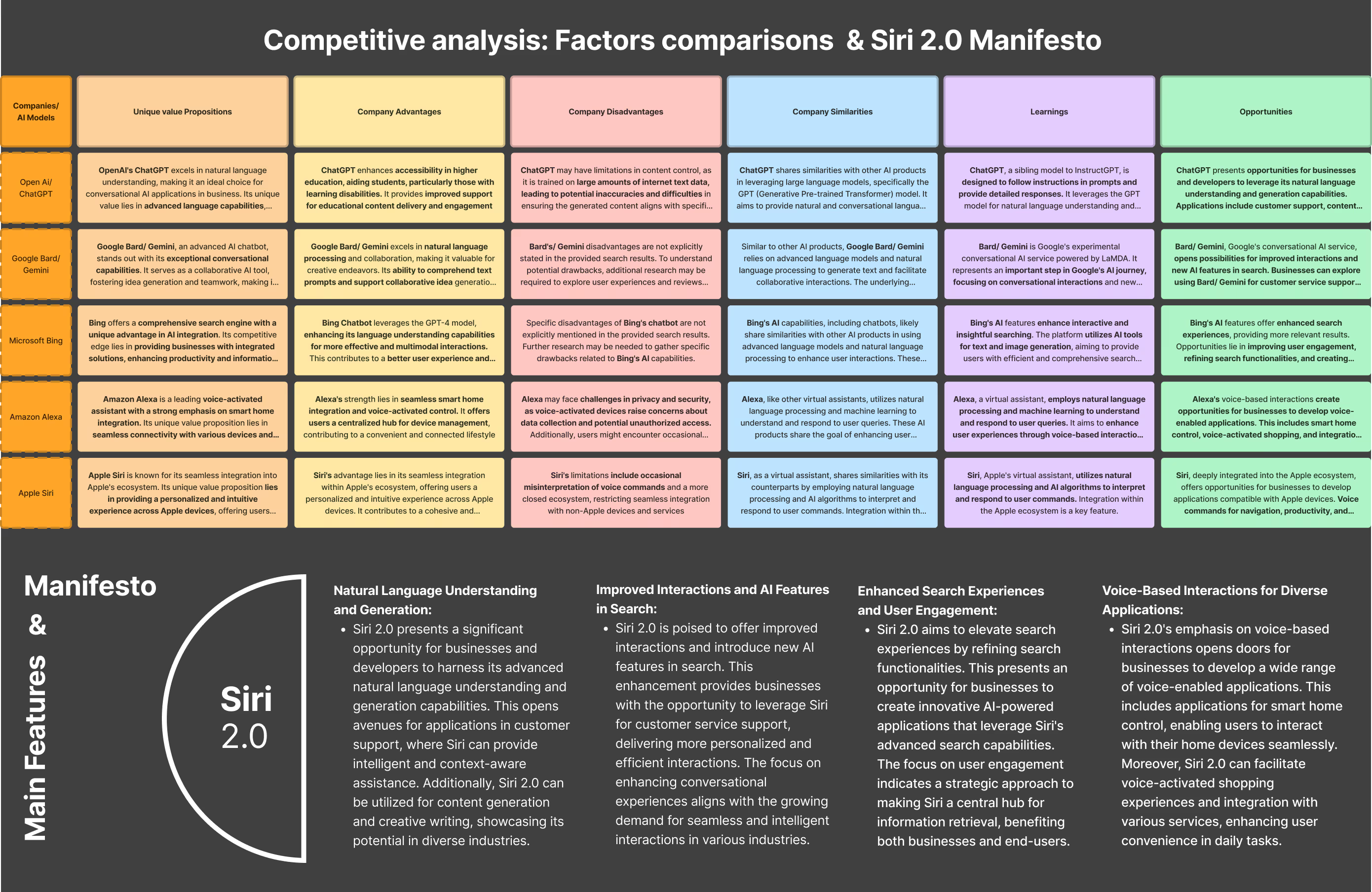
Visual competitive analysis comparing voice assistants across multiple strategic factors, alongside the Siri 2.0 Manifesto highlighting AI goals in language understanding, interaction, search, and voice-based applications.
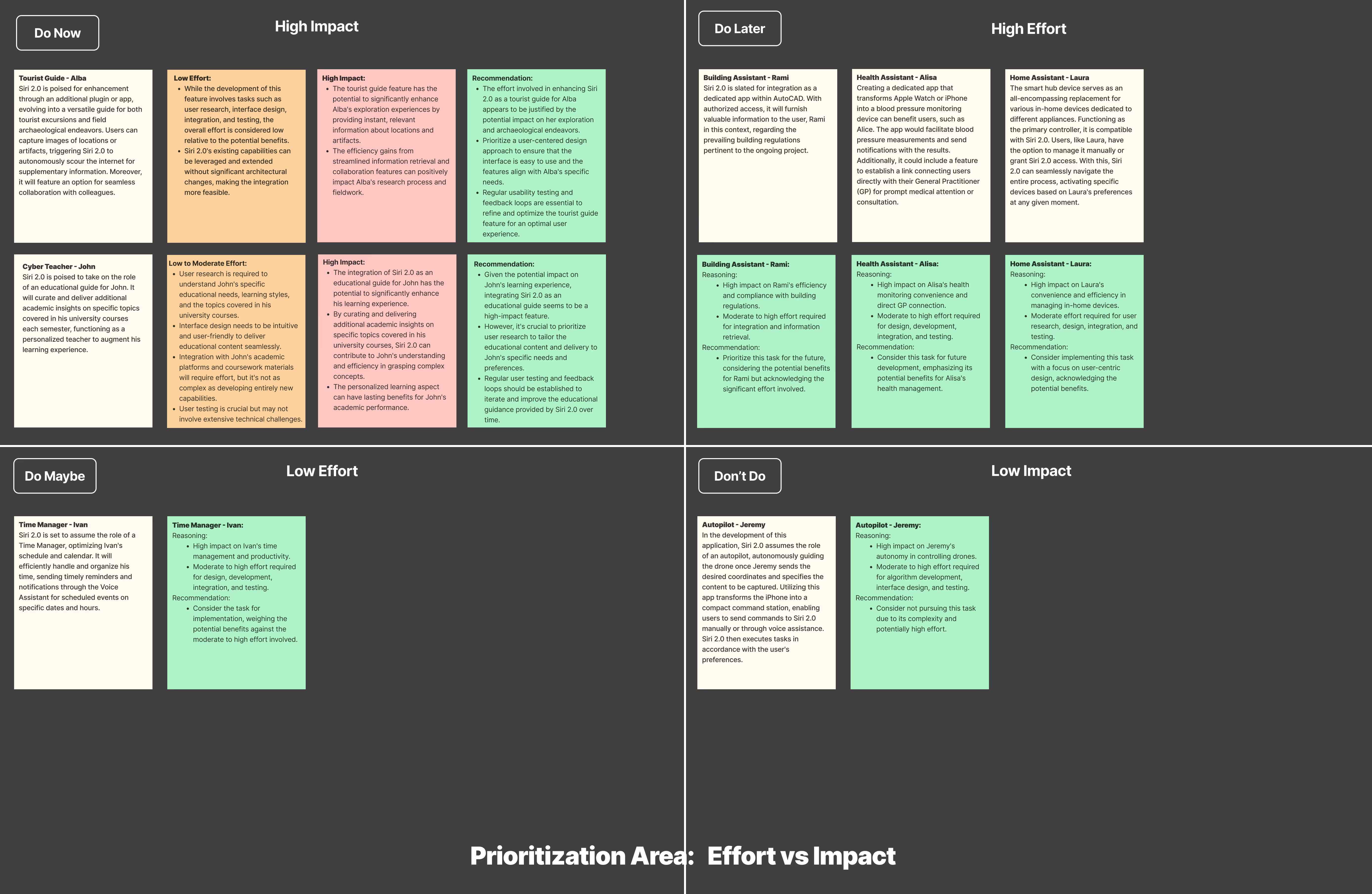
Prioritization matrix mapping features or initiatives by effort and impact across four quadrants: Do Now, Do Later, Do Maybe, and Don’t Do, supporting decision-making in product or UX strategy.
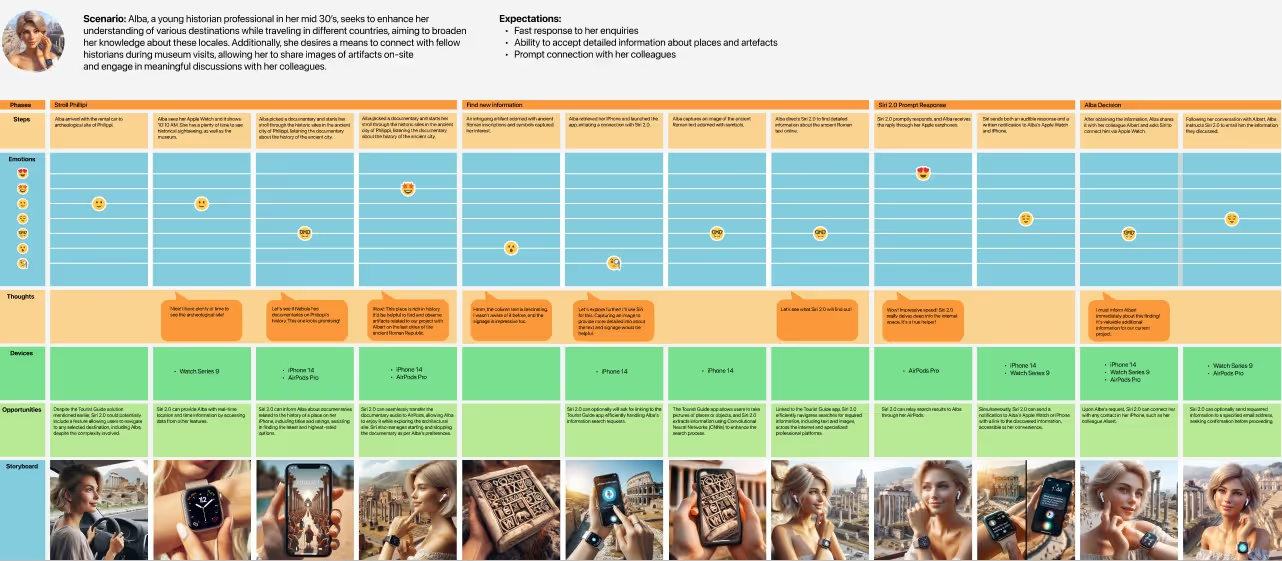
The UX research and strategy board outlines a vision for enhancing Siri’s AI capabilities, focusing on Technology, Customer Experience, Innovation & Market, and Privacy & Security. Through a competitive analysis, a Siri 2.0 Manifesto, and an Effort vs. Impact prioritization matrix, key improvements center on advanced natural language processing, smarter AI-driven automation, enhanced privacy, and seamless third-party integration. Additionally, a Customer Journey map has been created around a tourist guide experience for Alba, envisioning Siri 2.0 as a plugin or app for tourists and archaeologists. Users will be able to capture images of locations or artifacts, triggering Siri to gather relevant online data, with an option for collaborative features. The recommendation emphasizes a user-centered design approach, usability testing, and continuous feedback to refine the experience and maximize its impact on Alba’s explorations.

Customer journey map for Alba, a traveling historian using Siri 2.0 to explore destinations and artifacts, featuring emotional mapping, device usage, interaction stages, and storyboard visuals for each step of her tourist experience.
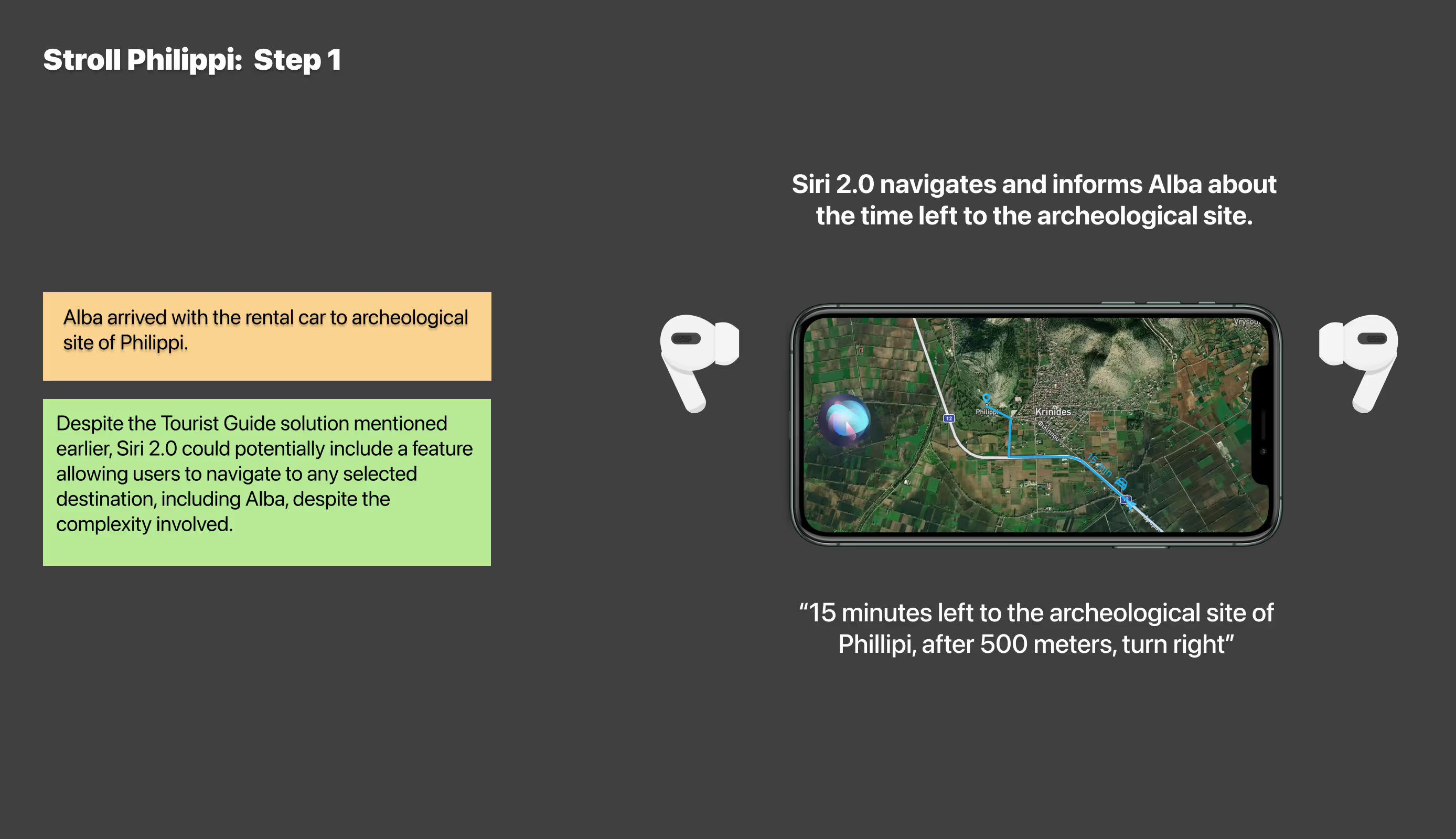
First step in Siri 2.0 tourist journey for Alba, showing navigation guidance to the archeological site of Philippi with estimated arrival time and voice instructions on iPhone.
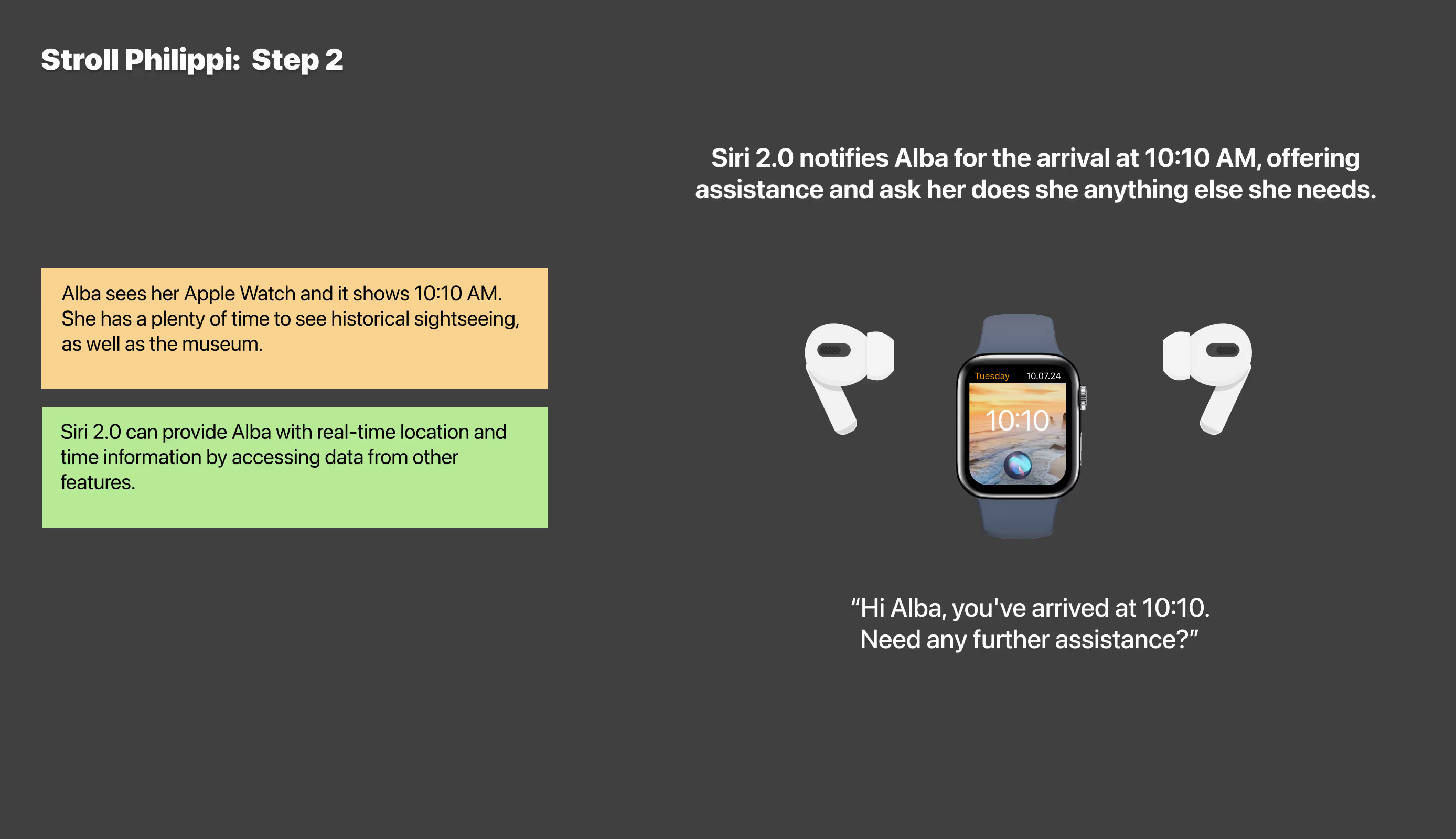
Step 2 in Alba’s Siri 2.0 tourist journey, showing Apple Watch notifying her of arrival at 10:10 AM at the archeological site and offering further assistance.
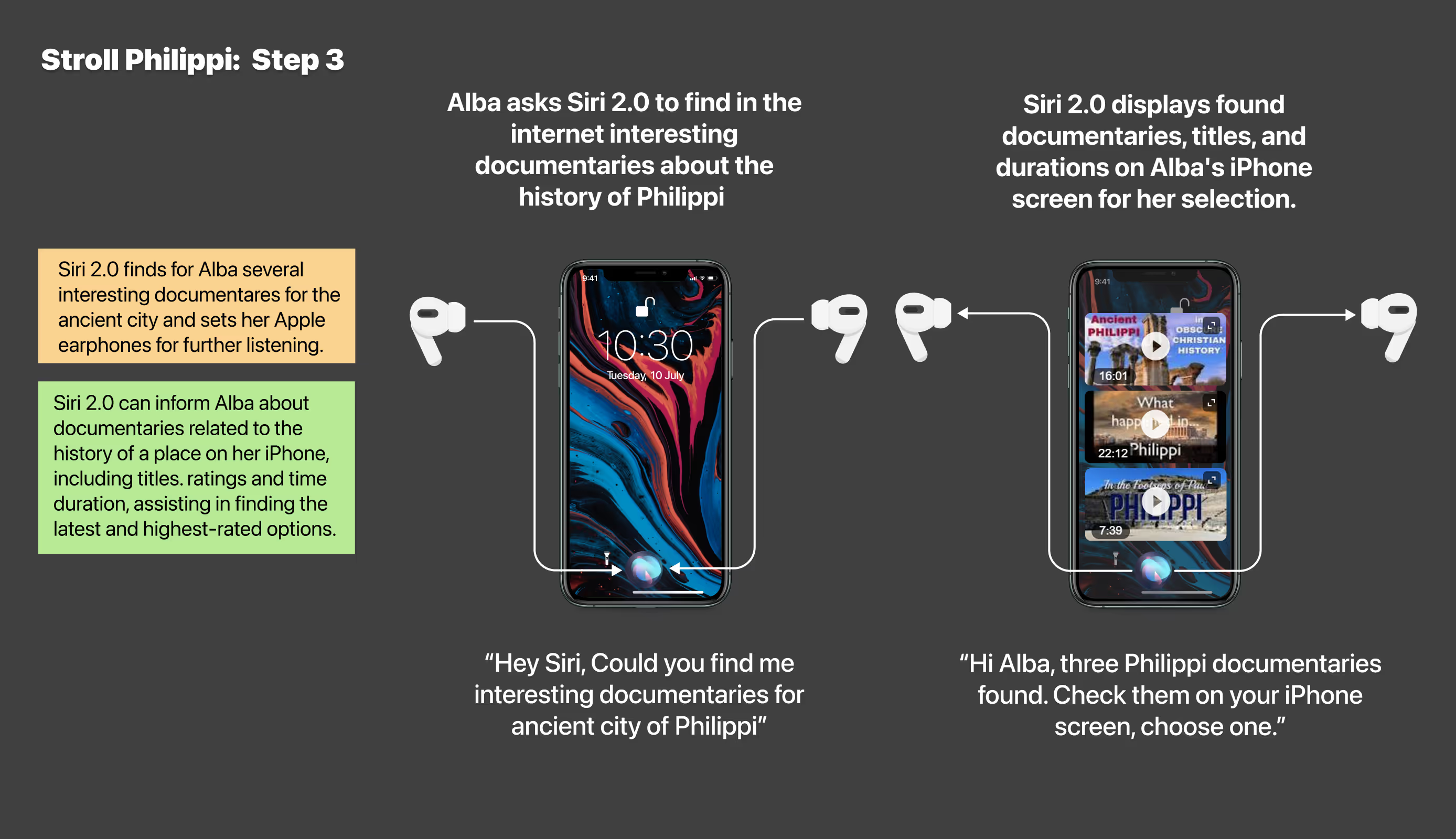
Step 3 of Alba’s tourist journey with Siri 2.0, where she requests documentaries about Philippi and receives options with titles and durations displayed on her iPhone for selection.
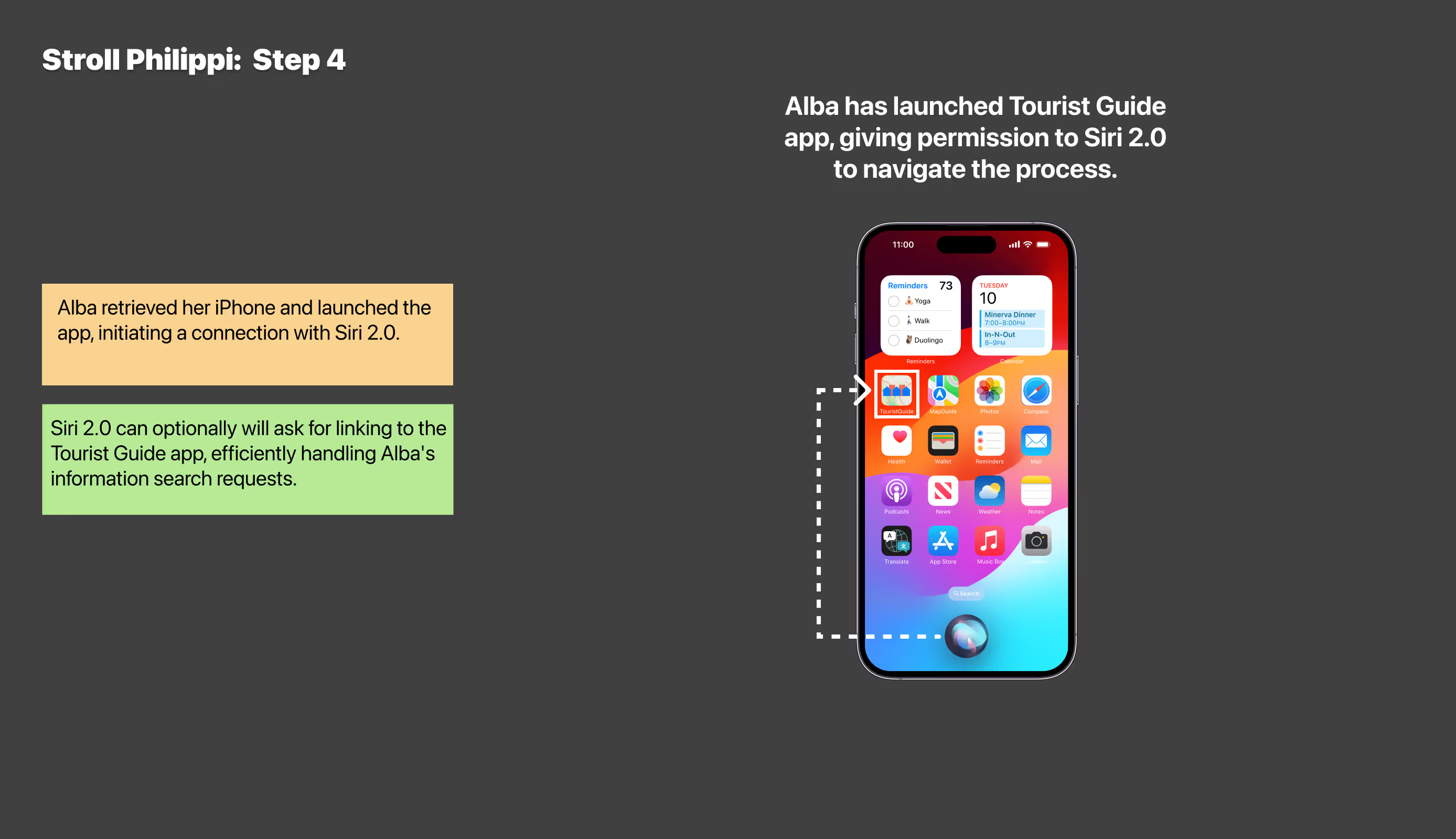
Step 4 of Alba’s Siri 2.0 tourist journey, where she opens the Tourist Guide app on her iPhone and authorizes Siri 2.0 to manage her search and navigation tasks.
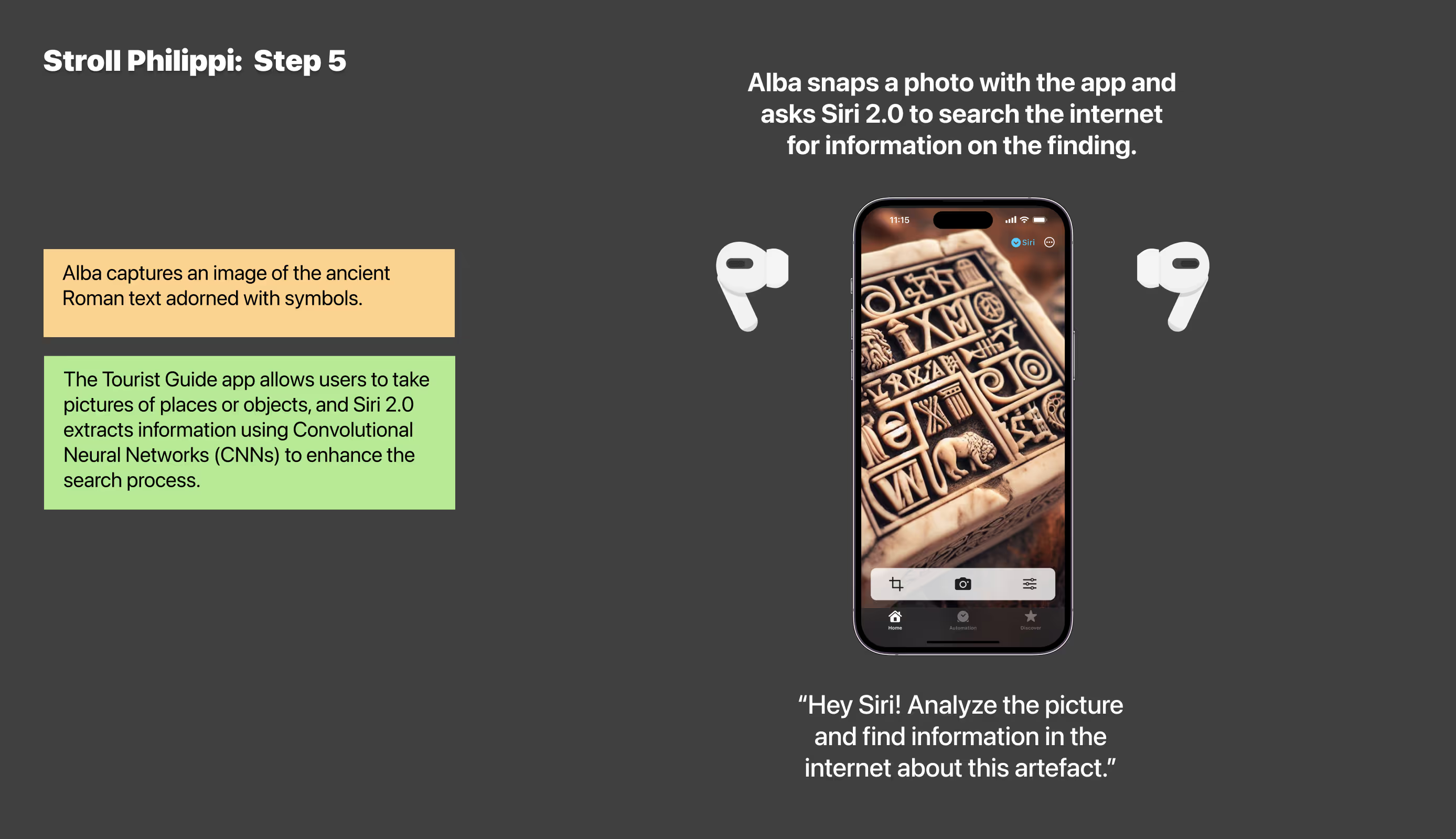
Step 5 of Alba’s journey with Siri 2.0, where she captures an ancient artifact using the Tourist Guide app, and Siri uses image recognition and AI to search for related information online.
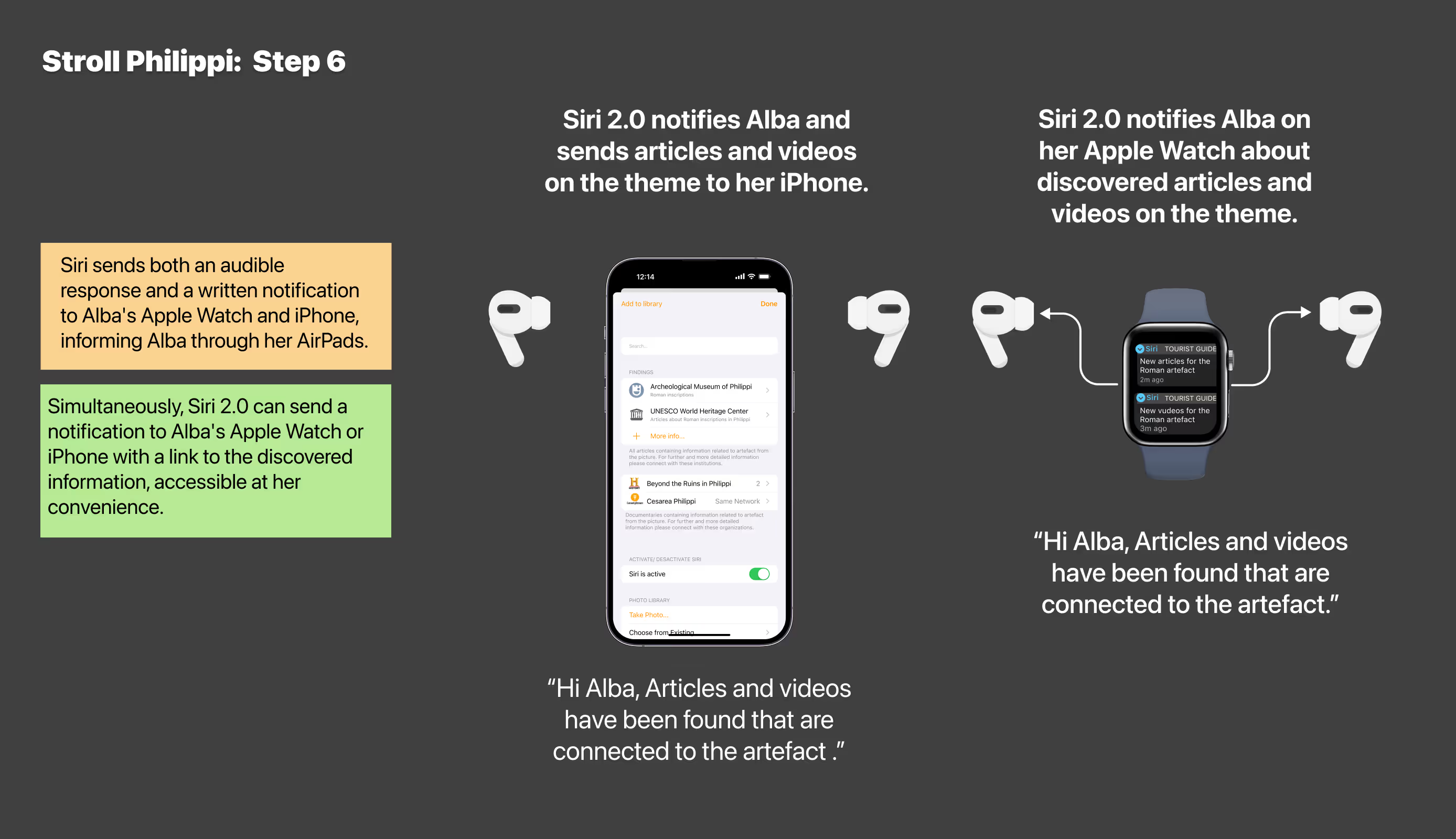
Step 6 of Alba’s tourist journey, where Siri 2.0 delivers discovered articles and videos about an artifact to her iPhone and Apple Watch, notifying her via audio and visual alerts.
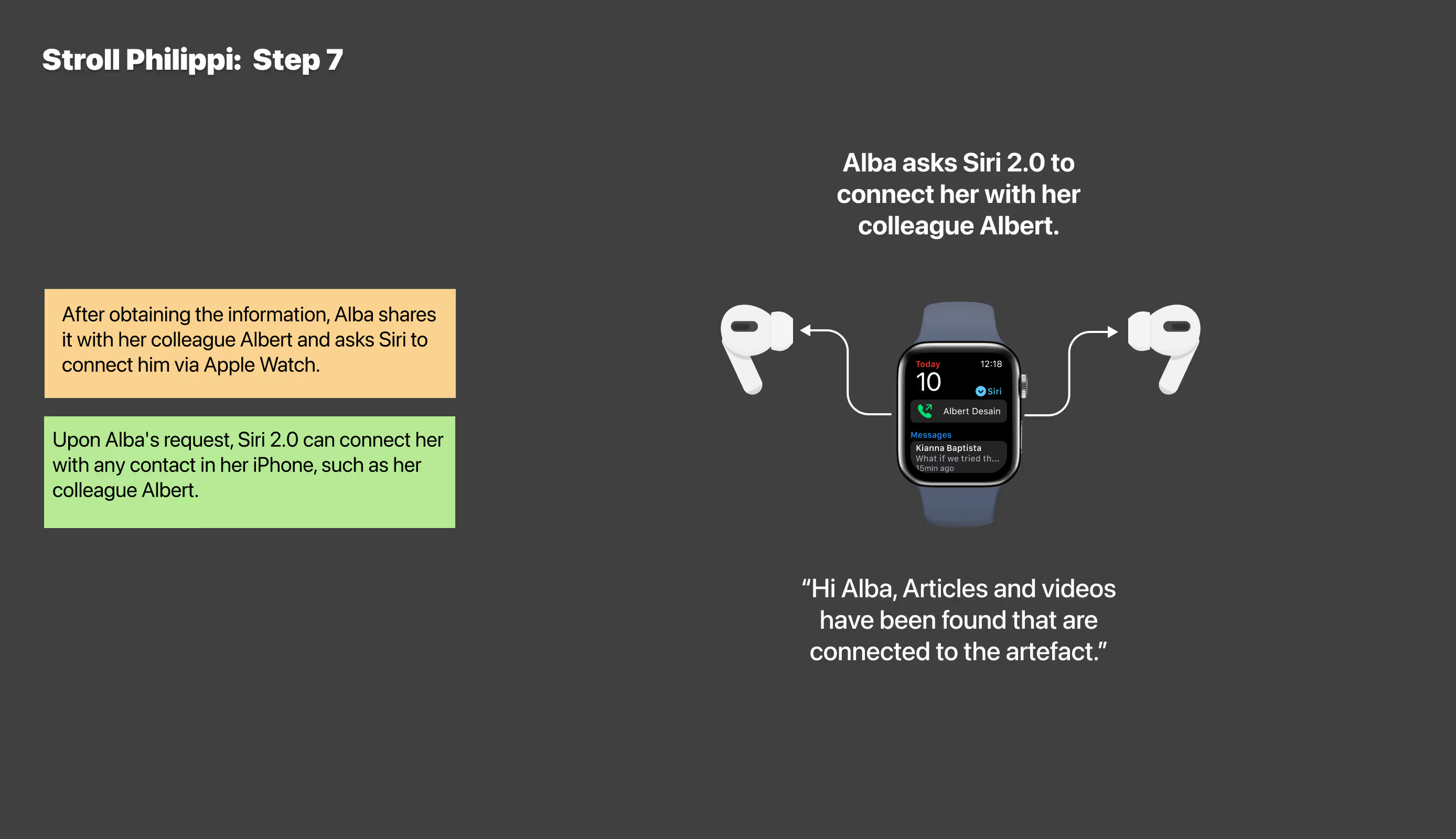
Step 7 of Alba’s Siri 2.0 tourist journey, where she uses her Apple Watch to connect with colleague Albert and share discovered information about an artifact.
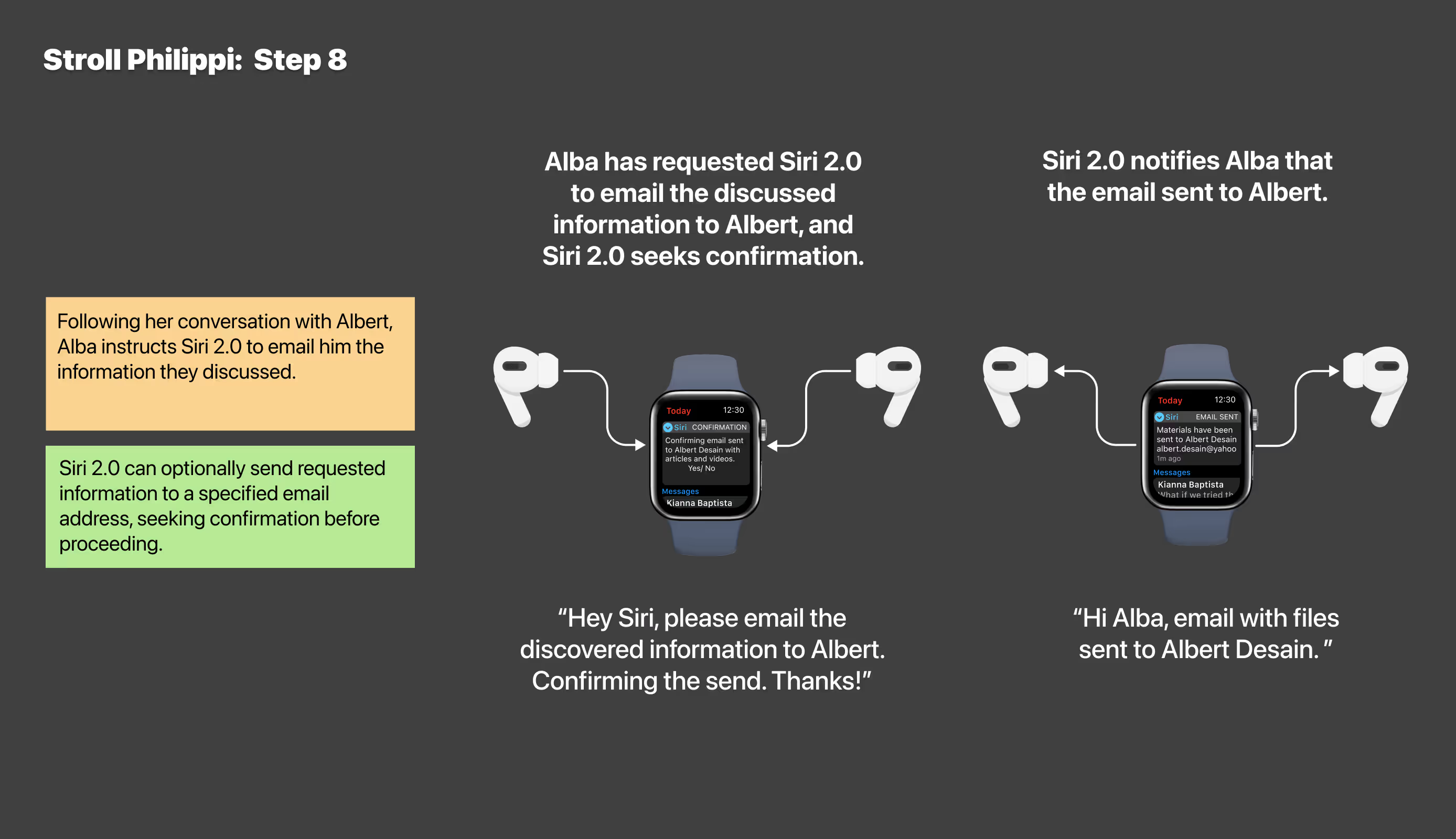
Step 8 of Alba’s Siri 2.0 journey, where she confirms an email request via Apple Watch to send discovered information to her colleague Albert, and receives a confirmation once the message is sent.
Upward arrow icon – button used to scroll back to the top of the page.